- Products
- Advanced Nano technology creates realistic, sharp, and sophisticated patterns.
- Striking veining blends artistry and nature for a luxurious touch.
- Timeless elegance with minimalist yet captivating designs.
- Crystalline Silica Free represents one of the most revolutionary advancements and the latest trends in the premium engineered quartz stone manufacturing industry.
- Pre-fabricated quartz pieces designed for convenience and beauty, reflecting each owner’s unique style and refined taste
- Customized quartz pieces precisely crafted to fit your project, ideal for countertops, vanities, and bespoke applications
- Applications
- Timeless Elegance & Durability
- Sophistication in Every Detail
- Serenity & Ultimate Comfort
- Your Personal Home Spa
- Projects
- News & Updates
- Discover Us
- Catalog
- Contact us


Quartz Stone Selection Criteria for Construction Projects | What Architects Need to Know
10:33 | 05/09/2026
Quartz Stone Selection Criteria for Construction Projects: What Architects and Contractors Must Check
Choosing the wrong stone specification for a project is rarely just an aesthetic mistake. It often shows up as higher-than-budget cut waste, visible seams in the most noticeable spot, or a warranty call ten months later because the surface has discolored in an area exposed to sunlight. This article sets out the criteria for selecting quartz stone for construction projects in the correct order of review, from technical specifications to the documents you should request before final approval.
Three Questions to Answer Before Opening the Catalog
Before reviewing samples, three things should be confirmed: the exact application, the environmental conditions at the installation site, and the total quantity plus delivery schedule. These three answers eliminate most unsuitable options and help the meeting with the supplier focus on specifications instead of colors.
- Application: kitchen countertop, vanity, reception desk, wall cladding, or flooring. Each application has a different set of priority criteria.
- Environmental conditions: indoor or outdoor, direct sunlight exposure, heat contact, food contact, residential use, or commercial use.
- Quantity and schedule: one model apartment or 200 hotel rooms delivered in phases. This determines whether batch consistency is a concern.
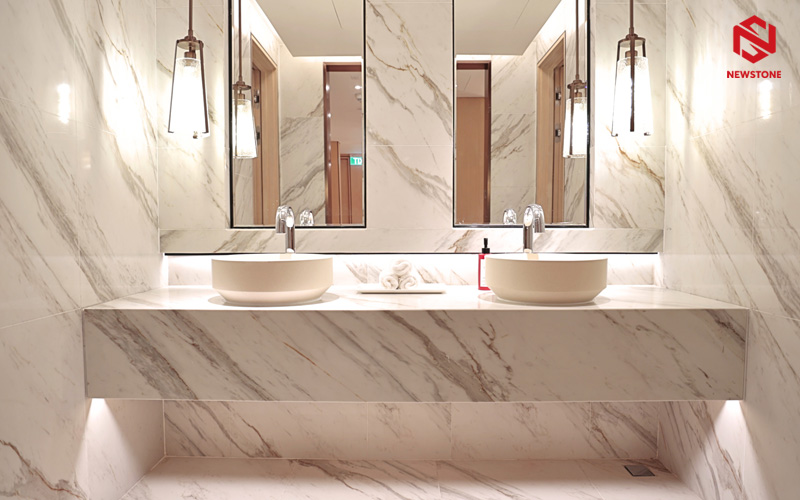
Criterion 1: Technical Specifications Must Match the Application
The technical data sheet is the most important document in the material dossier, yet it is often the one people skim the fastest. Below are the indicators worth reading carefully and their practical meaning on site.
Specification | Practical Meaning | Applications to Watch |
Water absorption | Resistance to staining and liquid penetration. The lower it is, the harder it is for coffee, turmeric, or wine to penetrate. | Countertops, bar counters, wet areas |
Strength | Ability to span unsupported areas. | Cantilevered countertops, kitchen islands |
Surface hardness | Scratch resistance in daily use. | Reception desks, high-traffic tabletops |
Abrasion resistance | Surface durability under heavy foot traffic. | Floors, stair treads, public areas |
UV color stability | Degree of discoloration after prolonged sun exposure. | Direct sunlight areas |
Criterion 2: Slab Size and Thickness Determine Joints and Waste
Larger slab sizes mean fewer joints on the same item. For a long reception desk or a large kitchen island, reducing even one joint makes a noticeable difference in perceived finish quality. This is often the first detail the client points out during handover.
As for thickness, 20 mm is a common choice for residential kitchen countertops; 30 mm is used for load-bearing tabletops, long overhangs, or high-traffic commercial applications. If a thick-edge appearance is needed without increasing weight, a mitered edge detail can be used, but it must be agreed during fabrication drawing approval, not decided on site.
Waste must be calculated based on the actual cutting layout on the real slab size, not by multiplying the item area by an estimated factor. The more small pieces and curved cuts involved, the greater the difference between these two methods. For repetitive items such as bathroom vanities or hotel dressing tables, pre-fabrication to size should be considered.
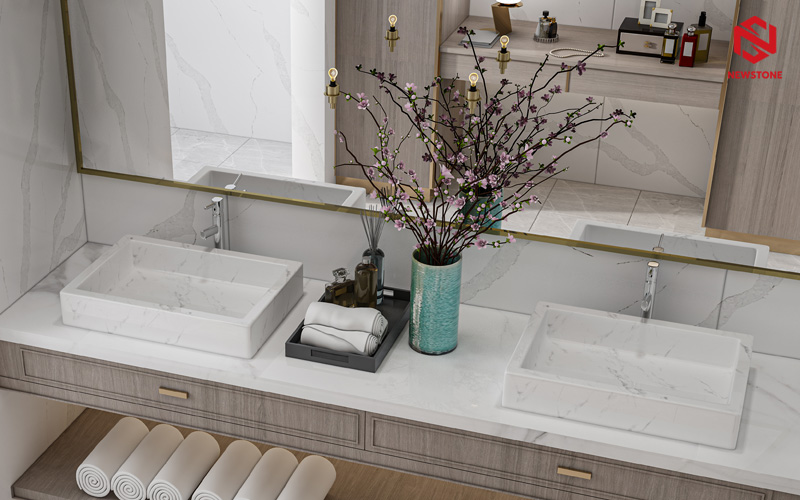
Criterion 3: Color and Vein Consistency Across Batches
For a single apartment, a slight difference between two slabs is usually not noticeable. For 200 hotel rooms delivered in multiple phases, the difference between a production batch from September and one from November can be immediately visible when two adjacent rooms are compared.
Four questions should be asked of the supplier and included in the purchase terms:
- How many production batches will this order be divided into, and how far apart will the batches be?
- How will each batch be numbered and marked on the slab so the contractor can sort them correctly in storage?
- Will a reference sample from the first batch be retained for color matching against later batches?
- Can photos of the delivered batch be provided for client approval before shipment?
For large-vein patterns such as Calacatta, the vein direction and vein-matching method between adjacent slabs should be standardized, and confirmed on fabrication drawings together with photos of the actual numbered slabs. Letting workers decide on site is the fastest way to end up with mismatched seams right in the middle of the countertop.
Criterion 4: Know in Advance Where Quartz Stone Should Not Be Used
Engineered quartz is not a universal material. Three categories of locations require special caution or alternative solutions: areas with prolonged direct sunlight, areas exposed to high heat sources, and uncovered outdoor applications.
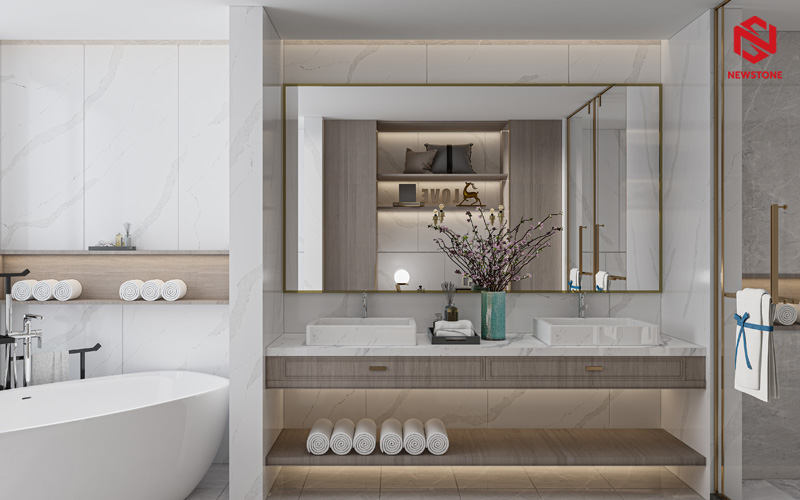
Criterion 5: Documents to Request Before Finalizing the Stone Specification
Request the full set of documents below before signing, not after the goods have already arrived on site:
- Technical data sheet for the exact selected product line, clearly stating the test method for each specification.
- Test report issued by an independent laboratory, still valid.
- Certificate of suitability for the intended use, for example food-contact safety certification for kitchen countertops.
- Actual sample for vein and pattern evaluation.
- Written warranty policy: scope, duration, and exclusions.
- Fabrication and maintenance instructions to be handed over to the client.
Condensed Checklist Before Final Material Approval
No. | Inspection Item |
1 | The application, environmental conditions, and total quantity have been clearly defined. |
2 | A technical data sheet with test methods has been received. |
3 | Physical and mechanical properties have been matched against the actual project requirements. |
4 | Waste has been calculated using a cutting layout on the actual slab size. |
5 | The thickness has been confirmed according to load and support span. |
6 | Batch quantity, batch numbering method, and reference samples have been agreed. |
7 | Usage limitations have been recorded in the specification documents. |
8 | Delivery progress for each phase has been confirmed in writing. |
Frequently Asked Questions
Should I choose 20 mm or 30 mm thickness for a kitchen countertop?
20 mm is sufficient for most residential kitchen countertops. Switch to 30 mm when the design includes a long unsupported overhang, when the application is a high-traffic commercial project, or when a thick-edge look is desired without using a mitered-edge construction method.
How can I tell whether two slabs come from the same batch?
Stone slabs are usually marked with a batch number on the back or on a label. For project orders, you should request a batch list together with the delivery note and keep a reference sample from the first batch for comparison with later deliveries.
Need advice on choosing the right stone code for a specific application?
Based on the expected quantity and project delivery schedule, the New Stone technical team will recommend a suitable product line together with the technical data sheet and actual samples.
New Stone Technology Joint Stock Company
Hotline: +84 210 3992 888
Address: Lot D3-1, Trung Ha Industrial Park, Tam Nong Commune, Phu Tho Province, Vietnam.
Website: https://newstone.com.vn/
Fanpage: https://www.facebook.com/NEWSTONEJSC
Featured Products

Splendor Product Code: NQ9034

Luxor Product Code: NP2000

Venatino Product Code: NQ8000

Grand Taj Sparkle Product Code: NQ9025

Lagos Product Code: NQ9035

Carrara Blanco Product Code: NQ6003

Black Carrara Product Code: NQ6005

Noreian Product Code: NQ6013

Mysteri Product Code: NQ8003

Mirario Emar Product Code: NQ8007

Calacatta Brook Product Code: NQ8015

Calacatta Gold Product Code: NQ9001

Juno Product Code: NQ9038

Roma Product Code: NZ5900

Milano Product Code: NZ5901

Neapolis Product Code: NZ5902
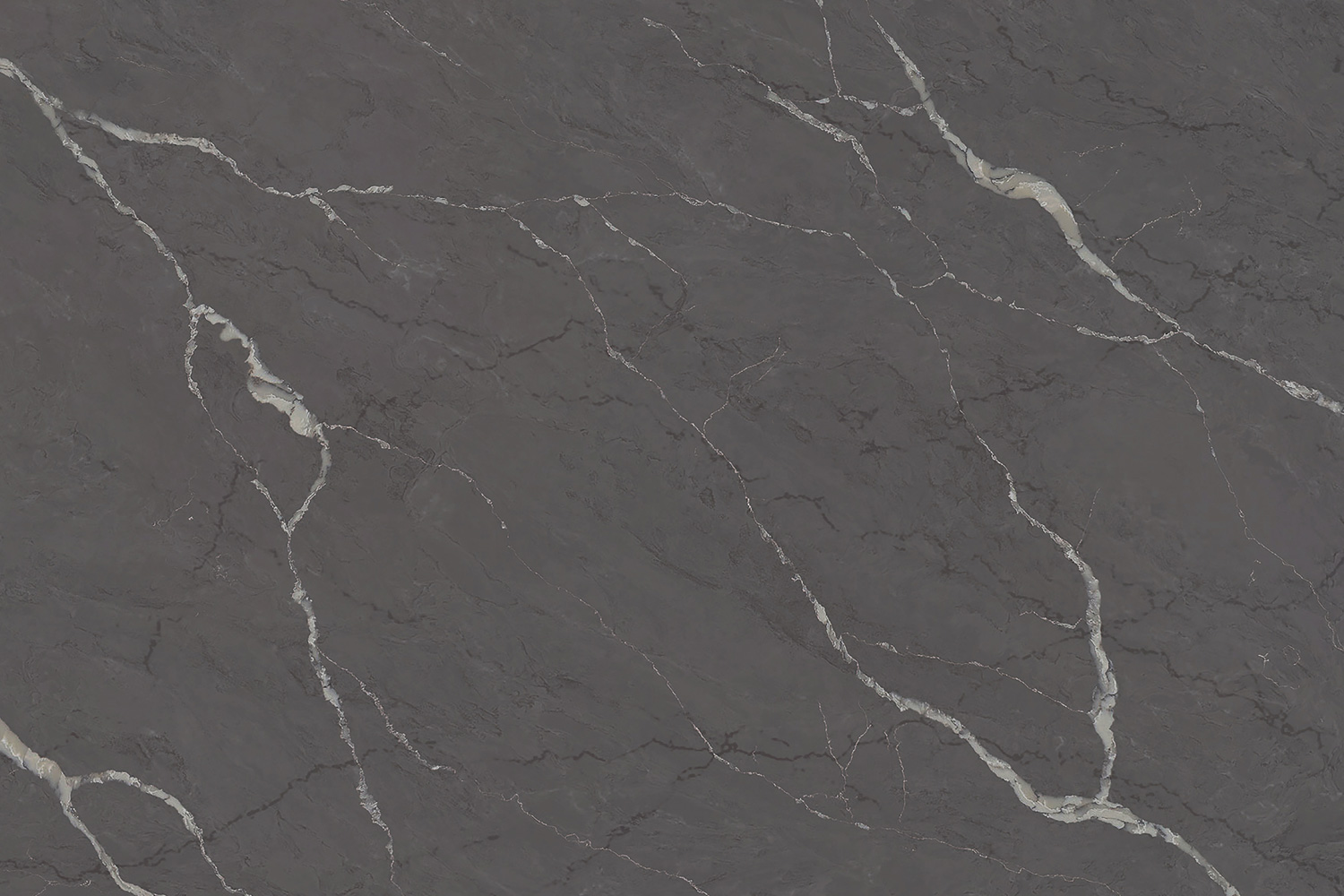
Florentia Product Code: NZ5903

Agusta Product Code: NZ5904

Lusso Gold Product Code: NQ8011

Lusso Classic Product Code: NQ8010

Leonardo Product Code: NQ8012

Tuscan Dream Product Code: NP2001

Arabescato Gold Product Code: NP2021

Garnet Product Code: NP2022

Darmaso Product Code: NP2024

Cristallo Product Code: NP2025

Calestial Product Code: NP2026
Featured Articles


Sign up for product consultation
Please leave your information, we will contact you immediately.