- Products
- Advanced Nano technology creates realistic, sharp, and sophisticated patterns.
- Striking veining blends artistry and nature for a luxurious touch.
- Timeless elegance with minimalist yet captivating designs.
- Crystalline Silica Free represents one of the most revolutionary advancements and the latest trends in the premium engineered quartz stone manufacturing industry.
- Pre-fabricated quartz pieces designed for convenience and beauty, reflecting each owner’s unique style and refined taste
- Customized quartz pieces precisely crafted to fit your project, ideal for countertops, vanities, and bespoke applications
- Applications
- Timeless Elegance & Durability
- Sophistication in Every Detail
- Serenity & Ultimate Comfort
- Your Personal Home Spa
- Projects
- News & Updates
- Discover Us
- Catalog
- Contact us


Top 10 Advantages of Using Engineered Quartz Stone for Kitchen Countertops
16:10 | 20/07/2026
Advantages of Using Engineered Quartz Stone for Kitchen Countertops
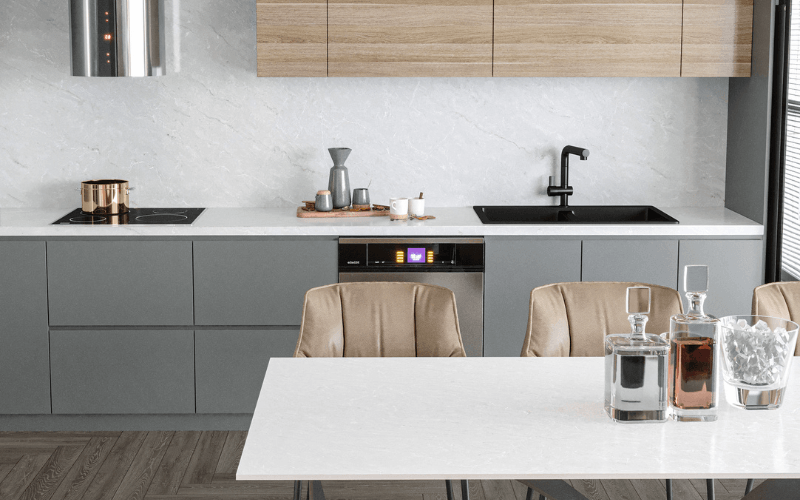
In recent years, engineered quartz stone has gradually become one of the top choices for kitchen countertops in both residential and commercial projects. Compared to traditional natural stones such as granite or marble, engineered quartz is considered to offer many superior characteristics, making it suitable for long-term use in kitchen spaces. Below are 10 outstanding advantages that homeowners and architects often consider when selecting this material.
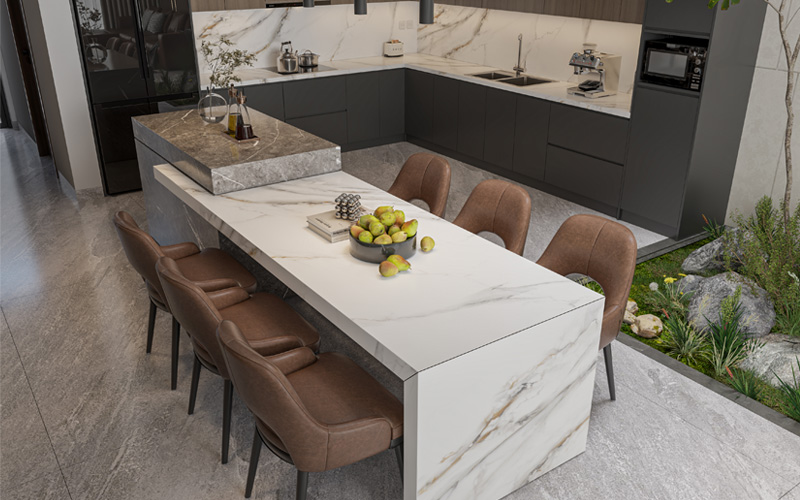
See more: Popular Engineered Quartz Stone Designs Today
1. High Mechanical Strength and Scratch Resistance
Engineered quartz stone is manufactured from natural quartz crystals combined with various additives, creating a dense and highly durable surface with impressive hardness. As a result, countertops made from this material generally provide better impact resistance than many porous natural stones while minimizing scratches caused by daily kitchen activities such as cutting, chopping, or light impacts.
2. Water Resistance and Stain Prevention
Engineered quartz features a nearly non-porous surface thanks to its high-pressure and high-temperature manufacturing process. This helps reduce the absorption of oil, fish sauce, coffee, and colored liquids, thereby minimizing the risk of stubborn stains over time.
3. Reduced Bacterial Growth
Due to its low porosity, engineered quartz stone helps limit the growth of mold and bacteria compared to certain natural stones or wood materials. This is an important factor for many families when choosing materials for food preparation areas, although regular cleaning is still recommended to maintain hygiene.
4. Wide Variety of Colors and Patterns for Design Flexibility
As a man-made material, engineered quartz is available in a broad range of colors and patterns, from marble-inspired veining and modern solid tones to premium natural stone simulations. This allows homeowners to easily coordinate kitchen countertops with interior styles ranging from classic to minimalist.
5. Consistent Surface Appearance
One limitation of natural stone is that each slab often differs in color and veining due to natural geological formation over millions of years. In contrast, engineered quartz is produced through a controlled industrial process, resulting in greater consistency in color and pattern across slabs from the same batch. This is especially beneficial for large kitchen countertops or projects requiring multiple slab connections.
6. Good Heat Resistance for Everyday Use
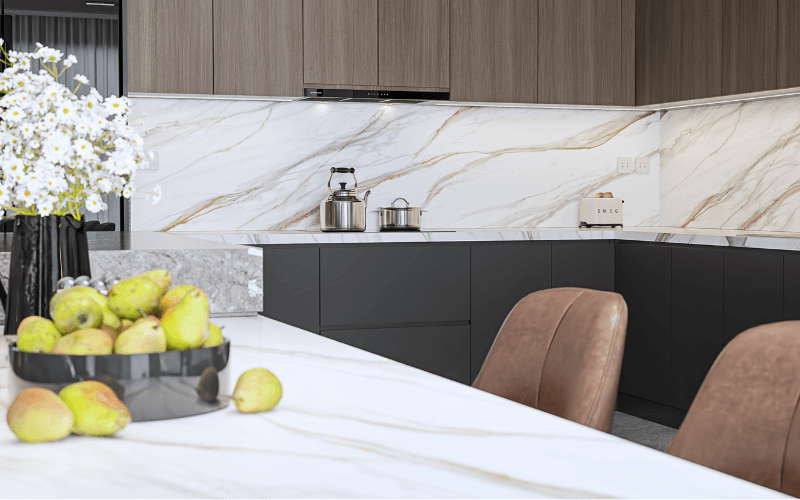
Engineered quartz offers relatively good heat resistance, making it suitable for standard household cooking activities. However, experts still recommend using heat pads or trivets when placing extremely hot cookware directly on the countertop to avoid long-term structural damage.
7. Easy Daily Cleaning and Maintenance
Thanks to its smooth and low-absorption surface, engineered quartz countertops are generally easy to clean. Compared to natural stone, this material typically requires less frequent sealing treatment, reducing maintenance efforts during long-term use.
8. Controlled Manufacturing Process for Material Safety
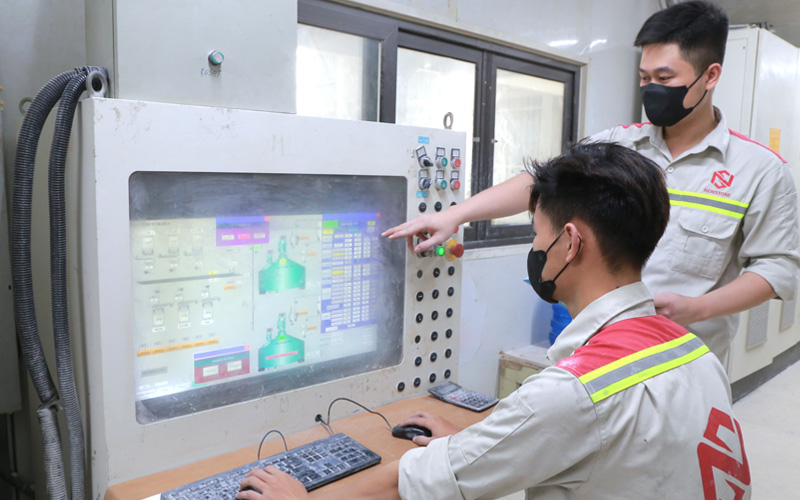
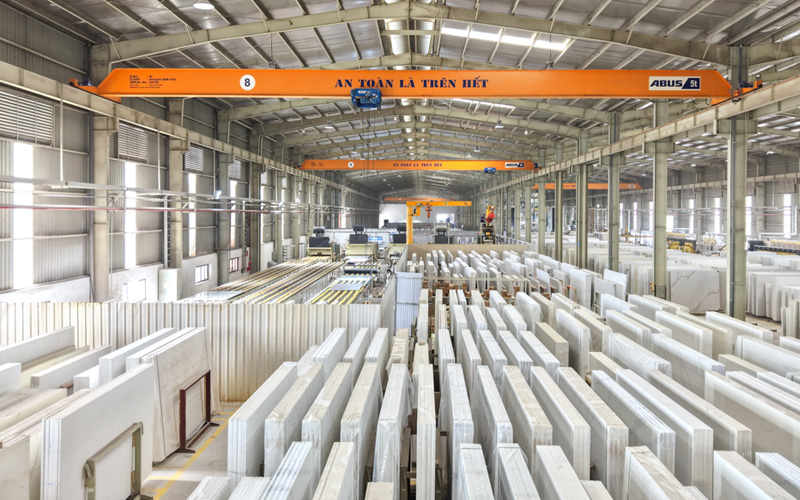
Since engineered quartz is produced in industrial environments with controlled raw materials, products from reputable manufacturers often come with certifications related to construction material safety. Consumers are advised to prioritize products with clear origins and proper testing documentation that comply with current standards to ensure long-term safety.
9. Competitive Pricing Compared to Premium Natural Stones
Compared to high-end natural stones such as imported marble, engineered quartz is often more affordable while still meeting aesthetic and durability requirements. This makes it a suitable choice for various construction segments, from residential homes to commercial projects.
10. Long Lifespan and Enhanced Kitchen Value
When properly installed and maintained, engineered quartz countertops can preserve both their appearance and durability for many years, reducing the risk of rapid deterioration seen in some other materials. Therefore, this material is considered a worthwhile investment that enhances both the functionality and aesthetics of kitchen spaces over time.
Frequently Asked Questions
Is engineered quartz suitable for all kitchen styles?
With its wide range of colors and patterns, engineered quartz can complement many design styles, from modern and minimalist to classic interiors. Homeowners should consult architects or contractors to select the most suitable design for their space.
Should I choose engineered quartz or natural stone for kitchen countertops?
The choice depends on usage needs, budget, and design preferences. Engineered quartz is often ideal for those who prioritize consistency, easy maintenance, and reasonable pricing, while natural stone may better suit projects seeking unique veining and outdoor applications.
Conclusion
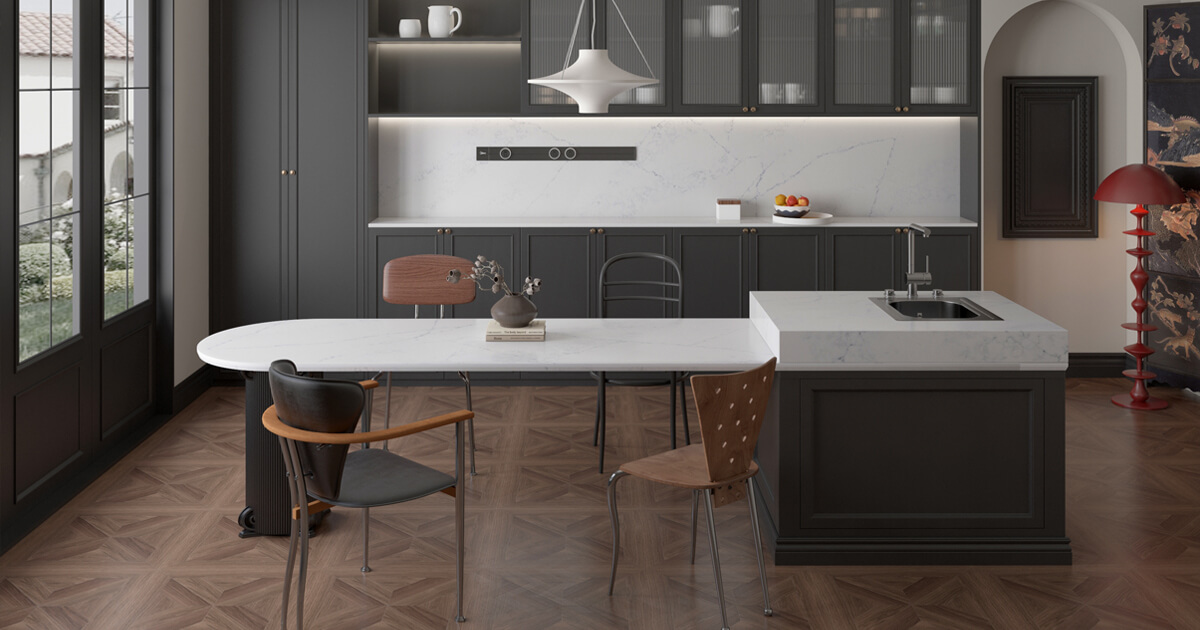
With advantages such as durability, water resistance, aesthetic versatility, and low maintenance requirements, engineered quartz is increasingly becoming a trusted choice for kitchen countertops, kitchen islands, lavabos, wall cladding, lobby areas, and reception desks. However, to ensure long-term performance, homeowners should carefully research product origins, certification standards, and reputable manufacturers before making an investment decision.
See more: Trusted Engineered Quartz Supplier for Construction Projects
GET FREE QUARTZ STONE CONSULTATION HERE
New Stone Technology Joint Stock Company
Hotline: +84 210 3992 888
Address: Lot D3-1, Trung Ha Industrial Park, Tam Nong Commune, Phu Tho Province, Vietnam
Website: https://newstone.com.vn/
Fanpage: https://www.facebook.com/NEWSTONEJSC
Featured Products
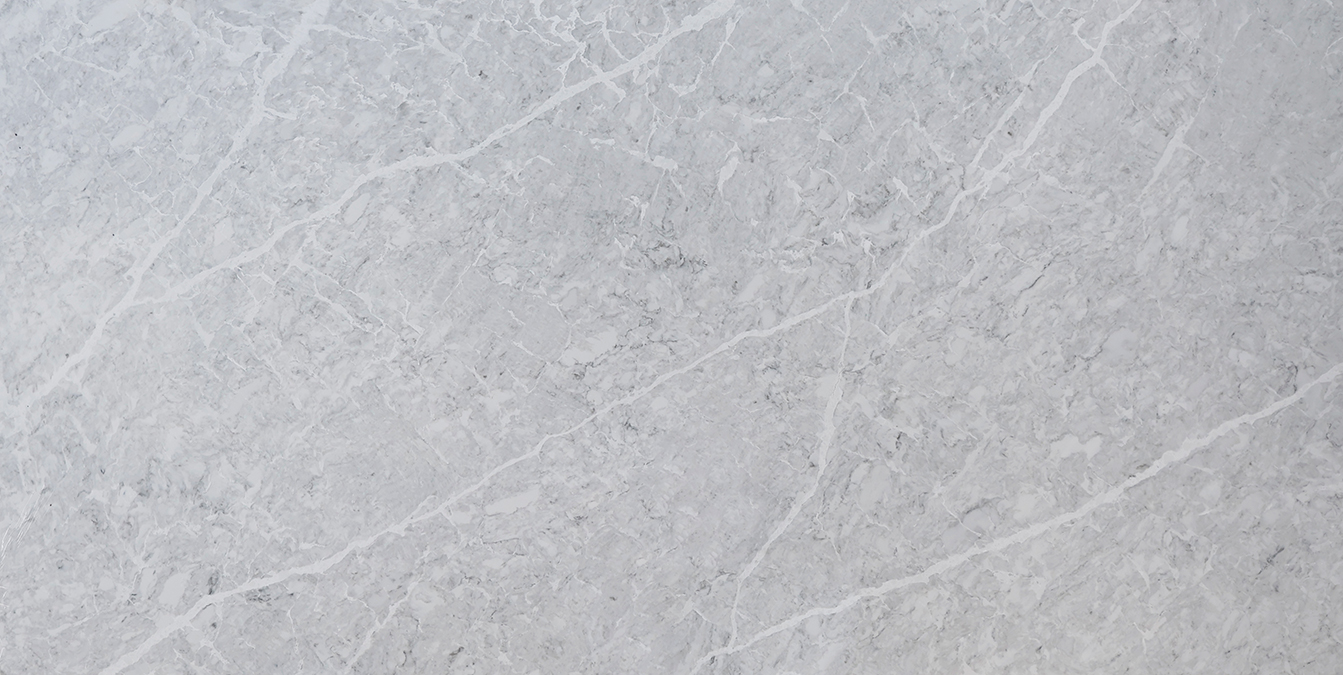
Splendor Product Code: NQ9034
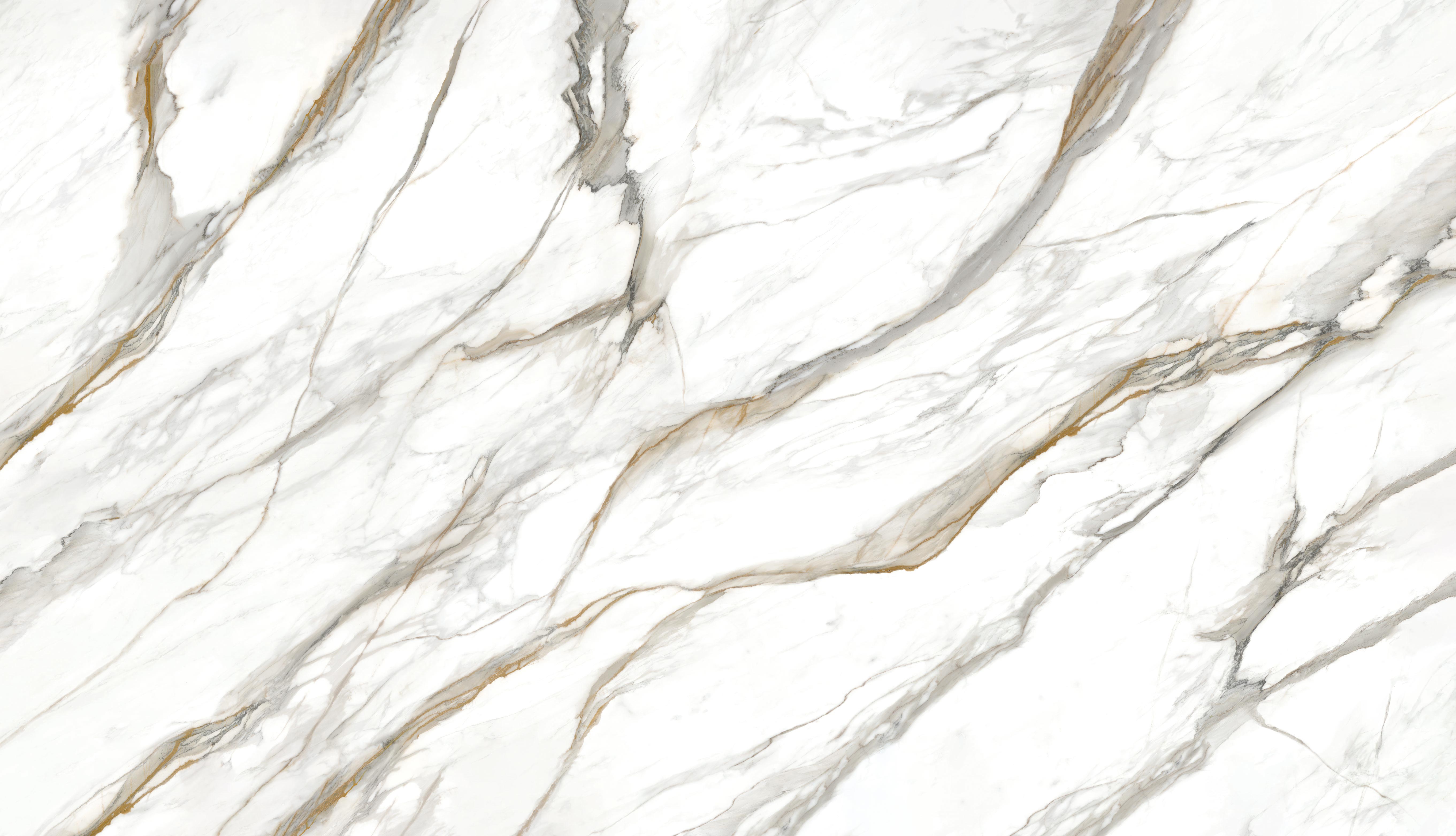
Luxor Product Code: NP2000
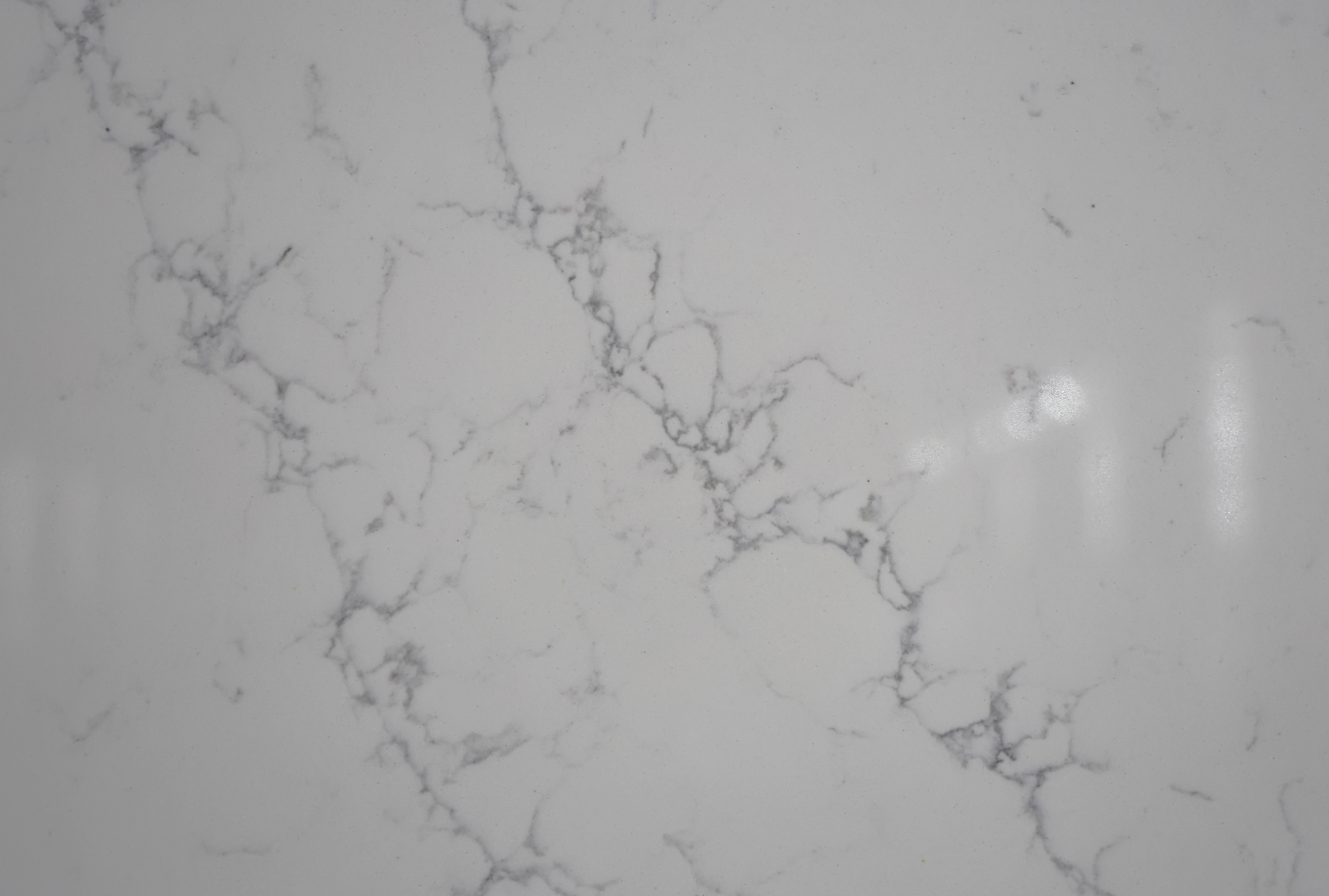
Venatino Product Code: NQ8000
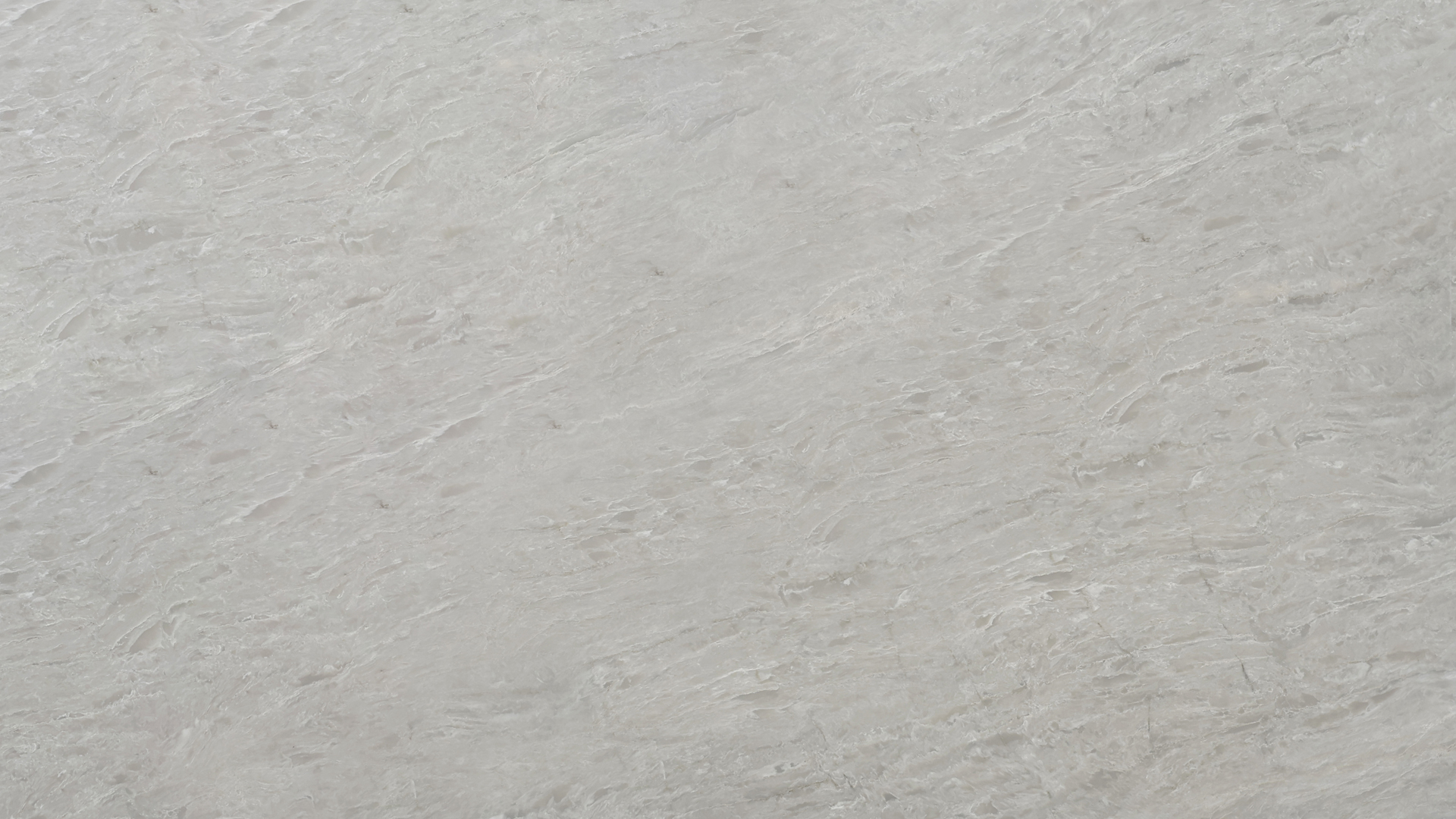
Grand Taj Sparkle Product Code: NQ9025
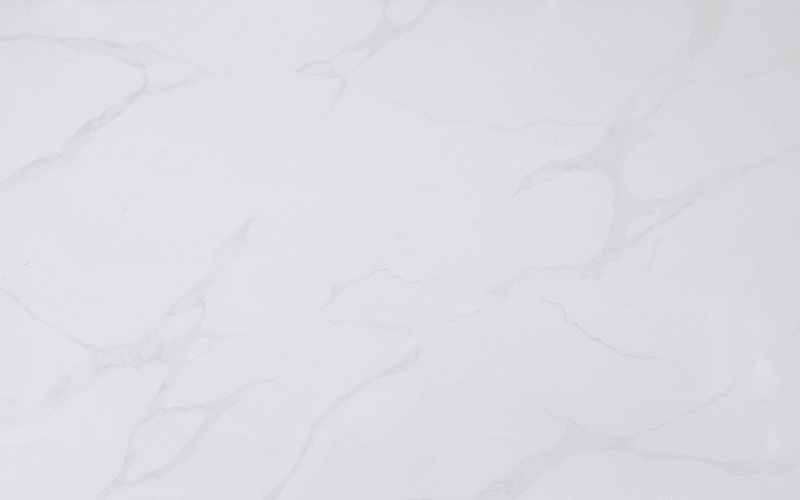
Lagos Product Code: NQ9035
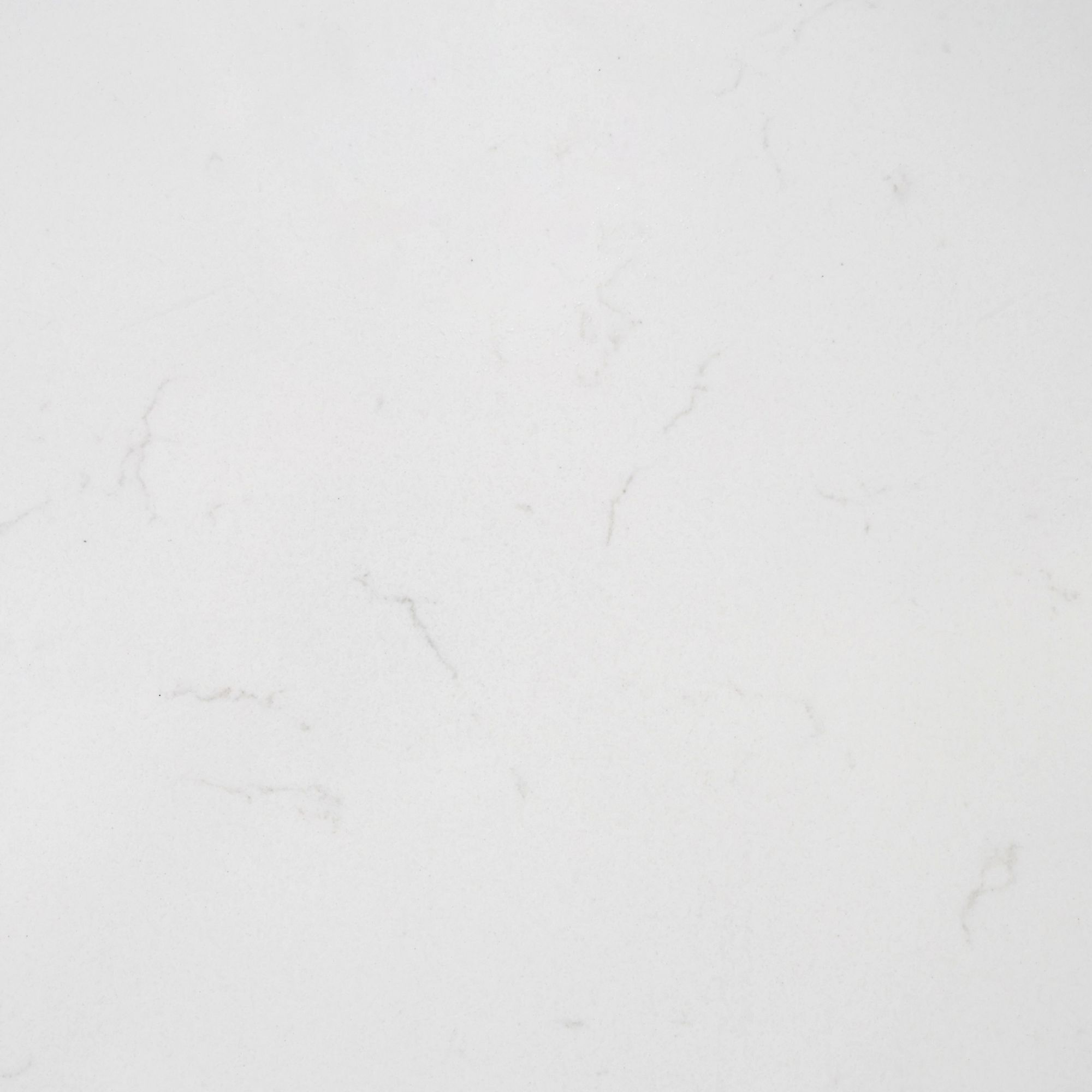
Carrara Blanco Product Code: NQ6003

Black Carrara Product Code: NQ6005

Noreian Product Code: NQ6013
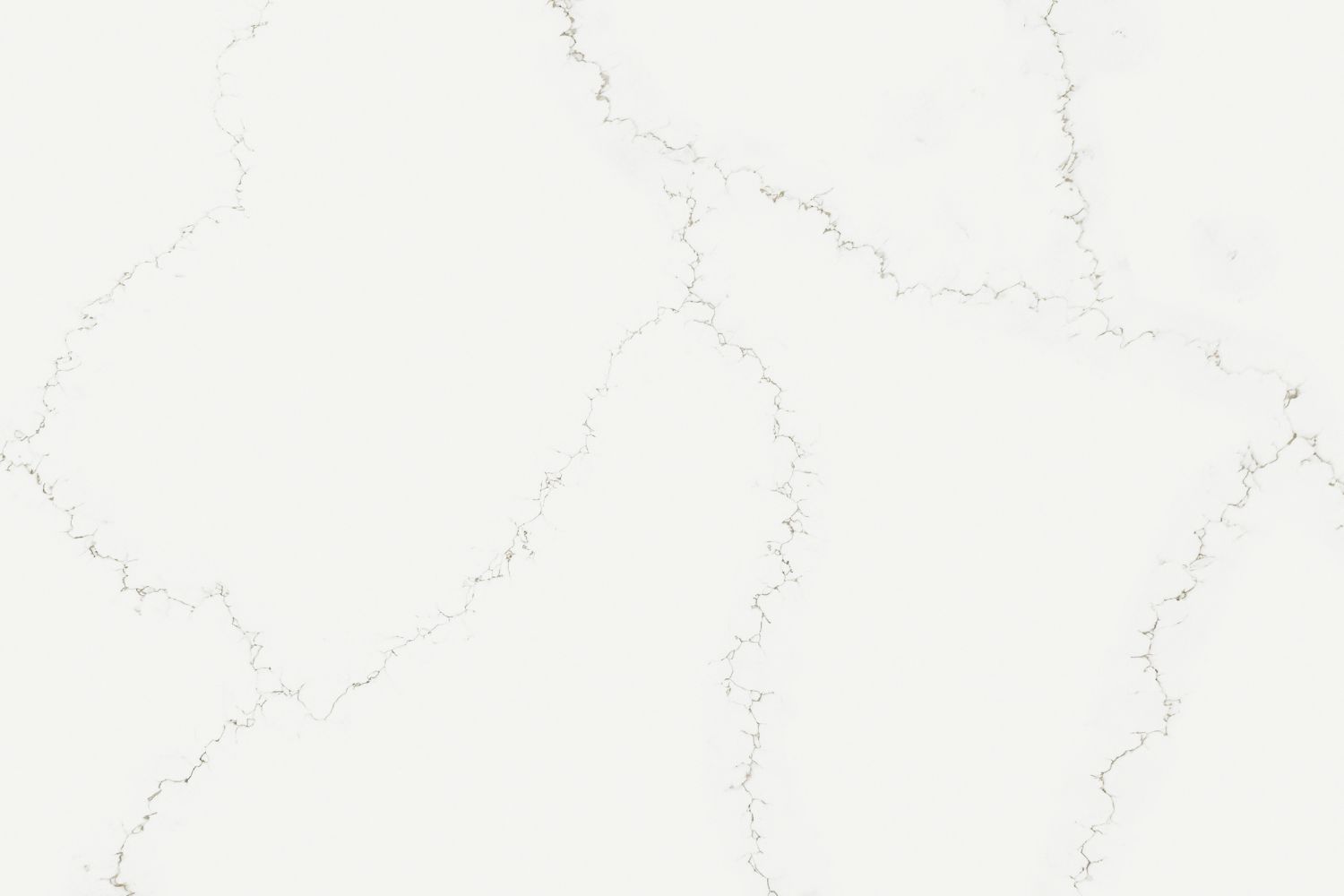
Mysteri Product Code: NQ8003

Mirario Emar Product Code: NQ8007

Calacatta Brook Product Code: NQ8015

Calacatta Gold Product Code: NQ9001
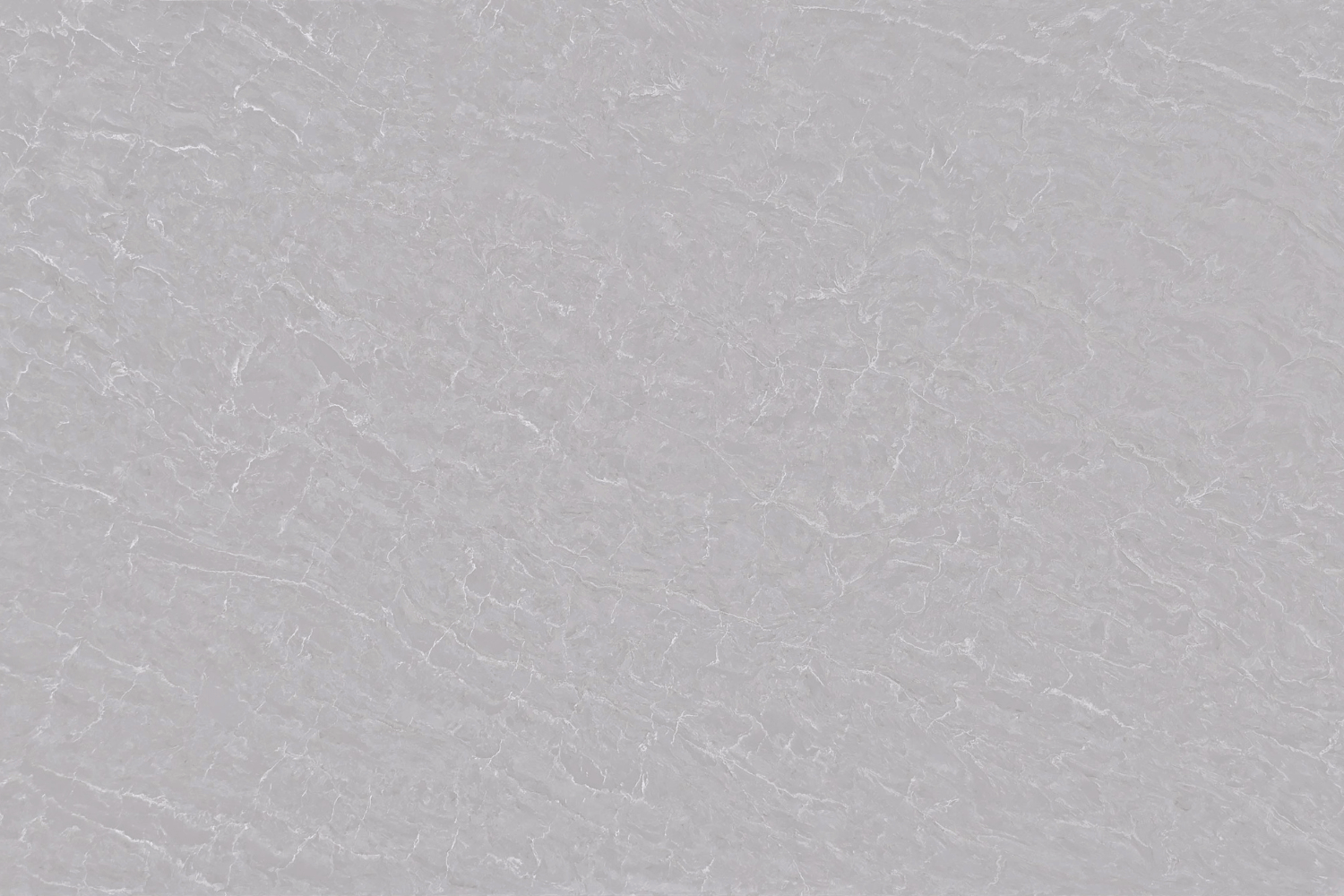
Juno Product Code: NQ9038
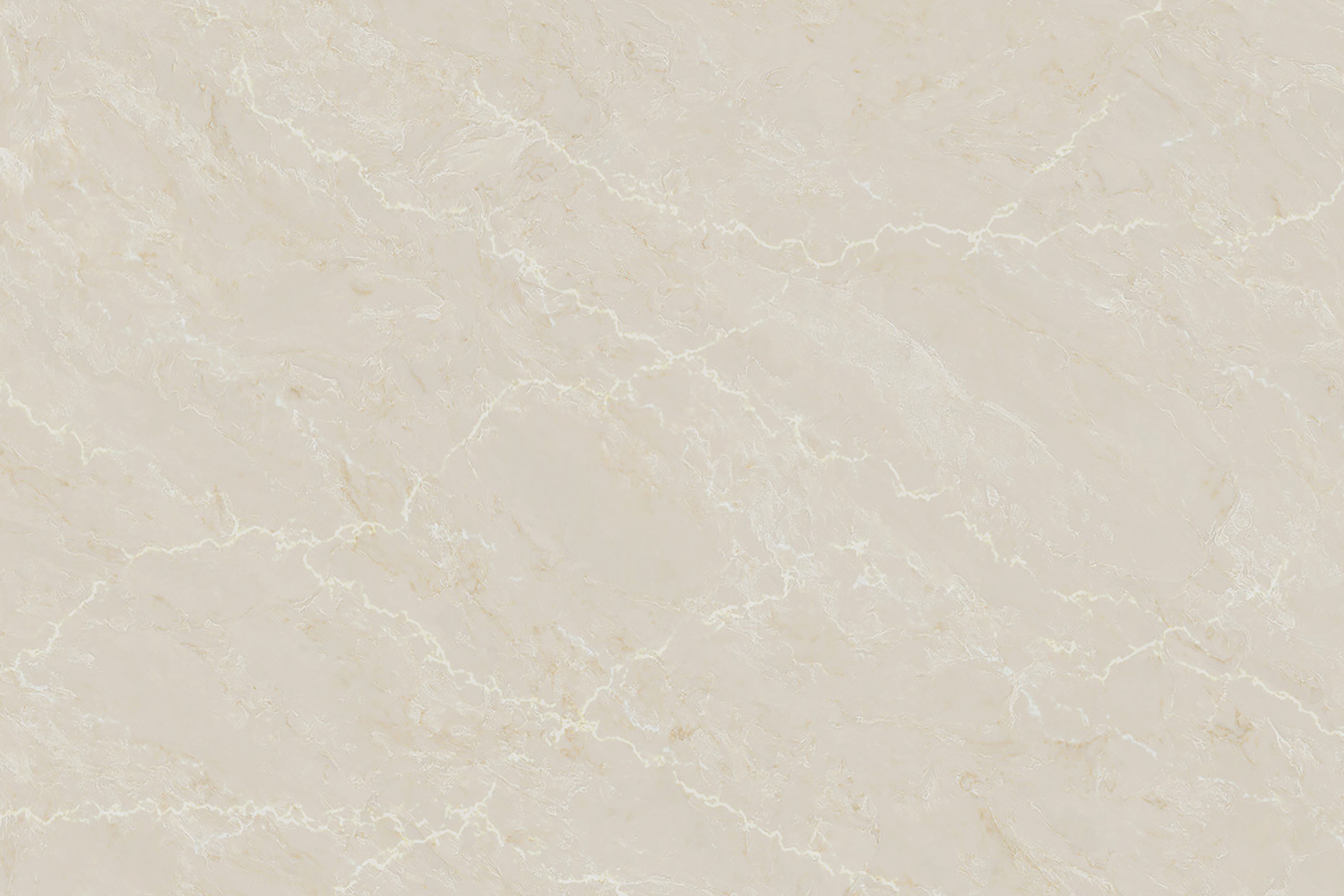
Roma Product Code: NZ5900
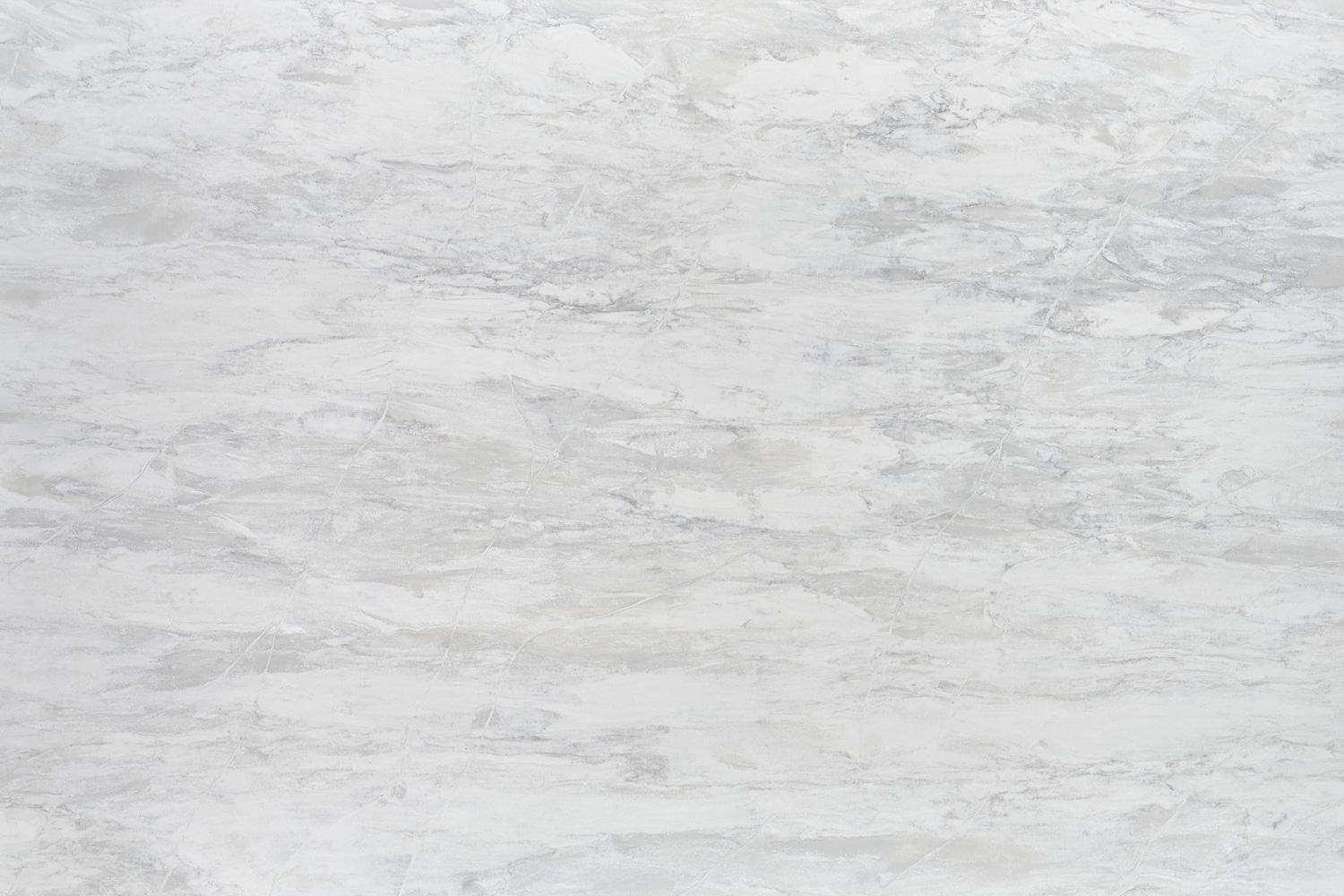
Milano Product Code: NZ5901

Neapolis Product Code: NZ5902
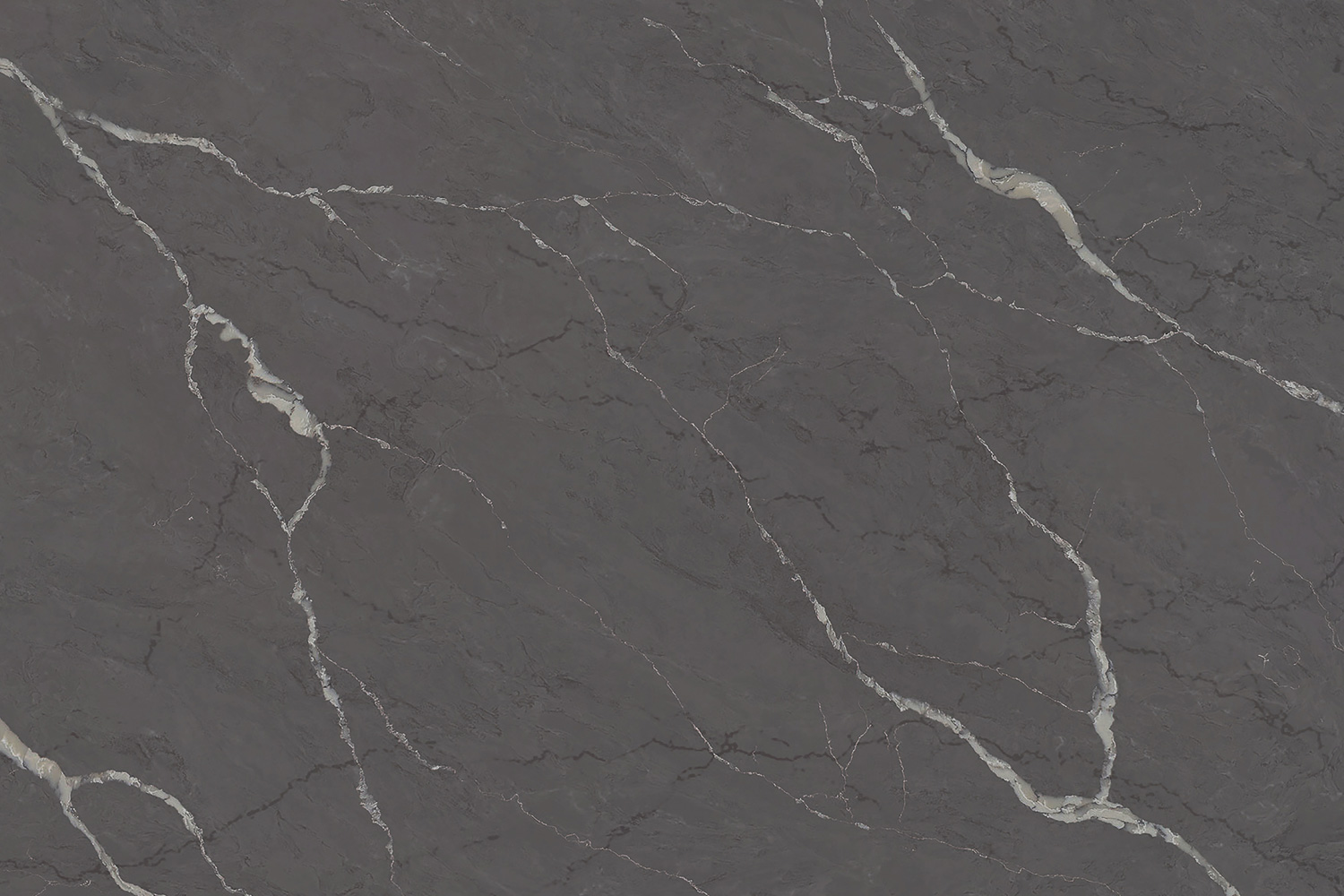
Florentia Product Code: NZ5903
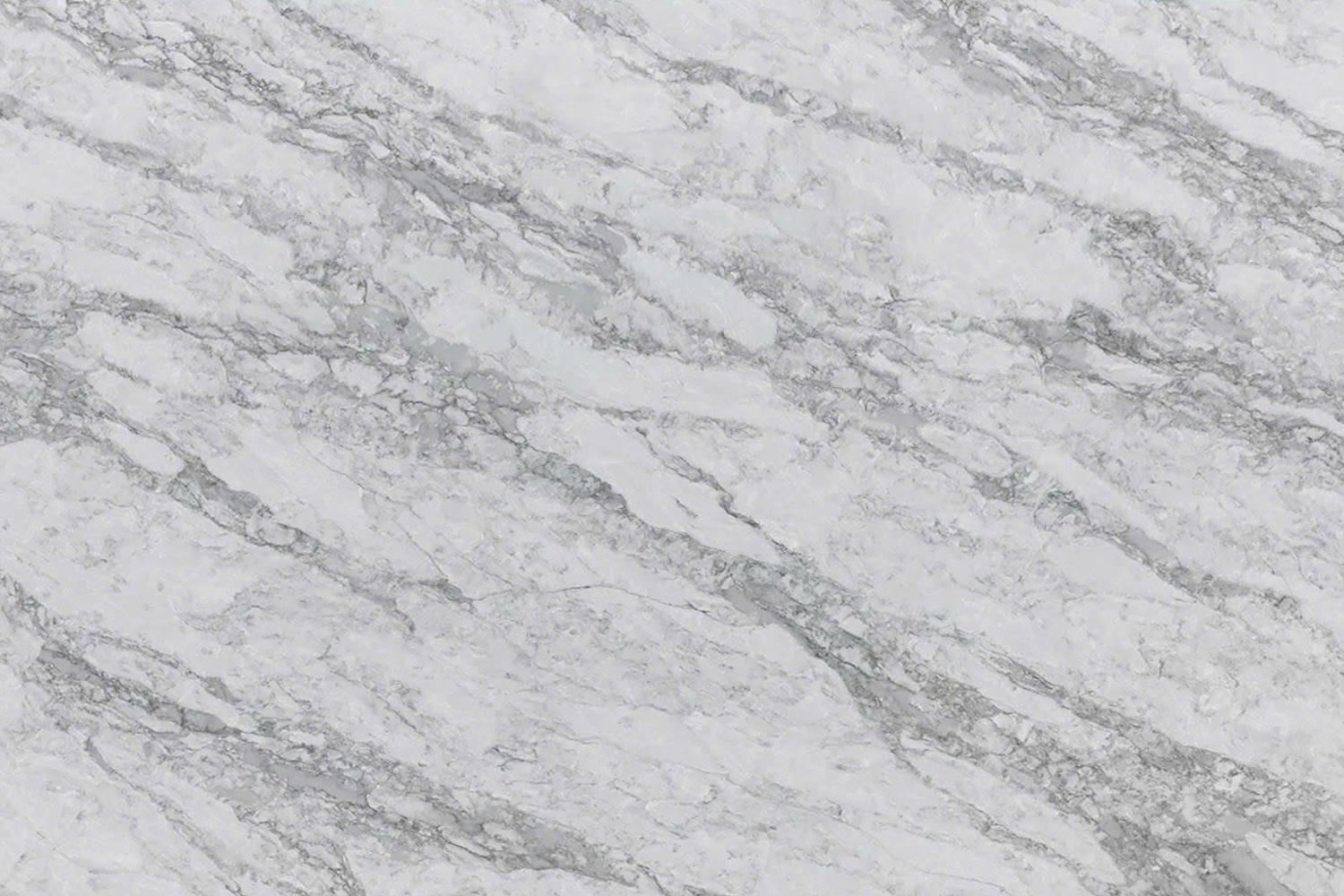
Agusta Product Code: NZ5904
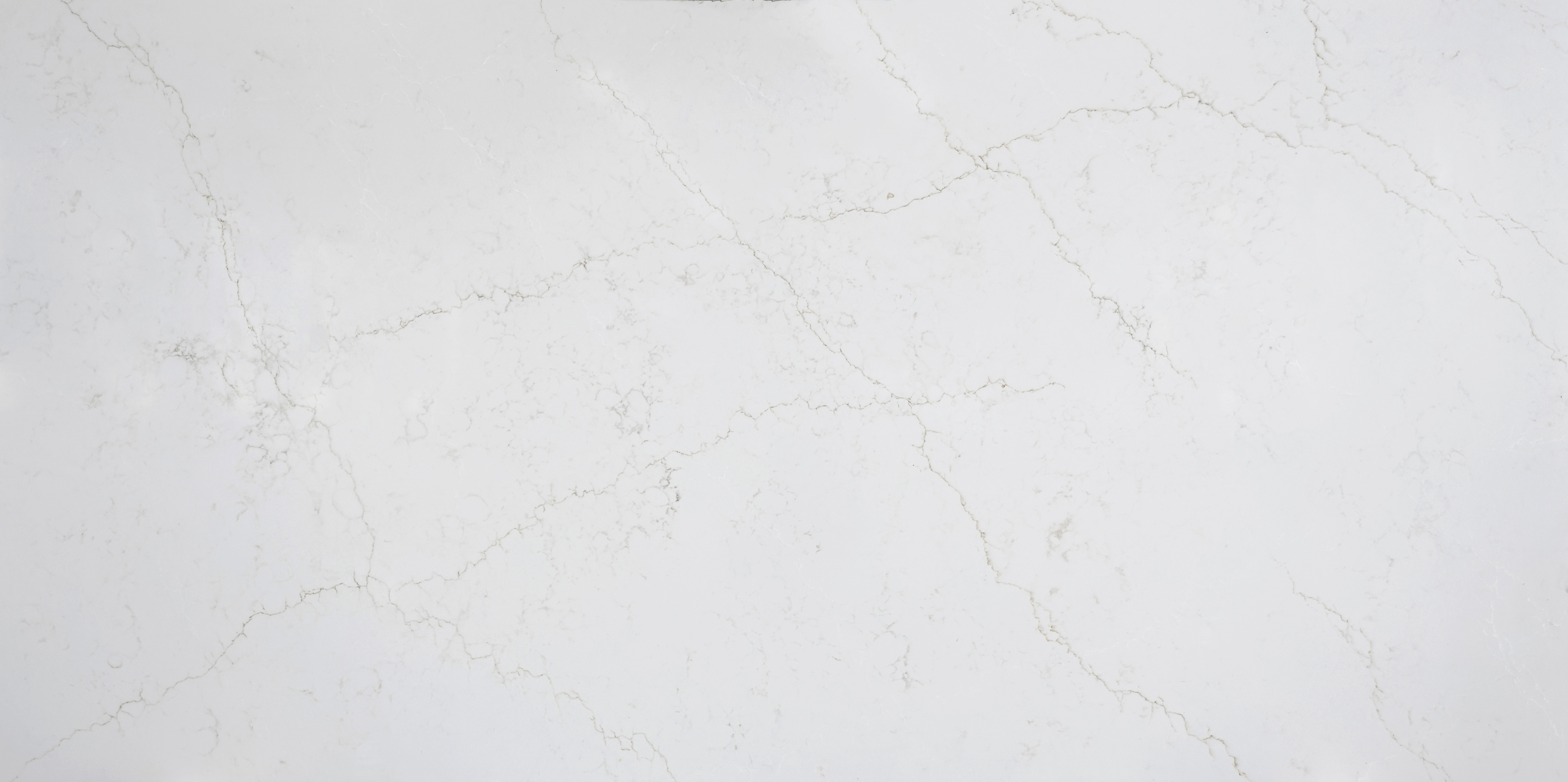
Lusso Gold Product Code: NQ8011
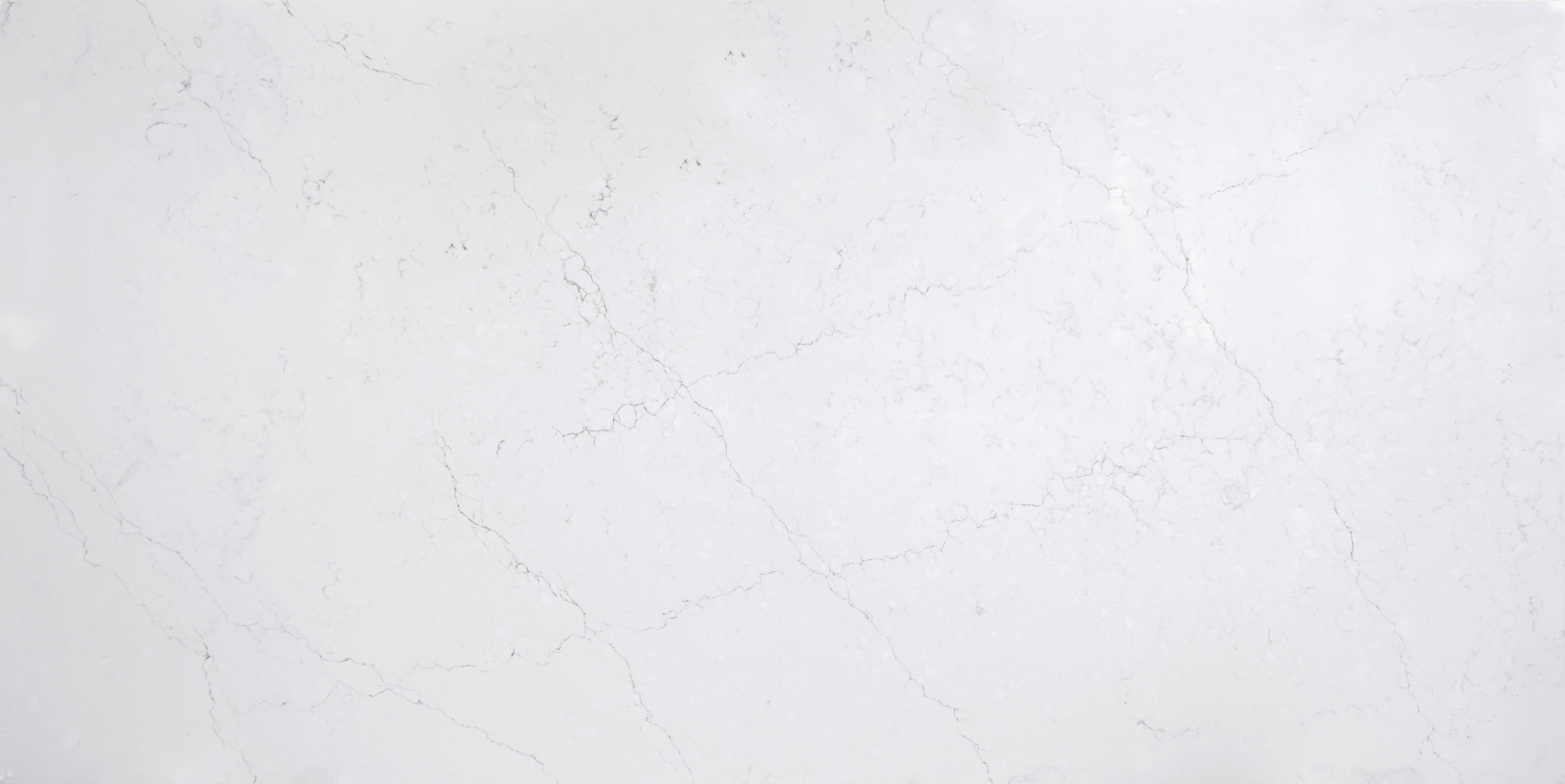
Lusso Classic Product Code: NQ8010
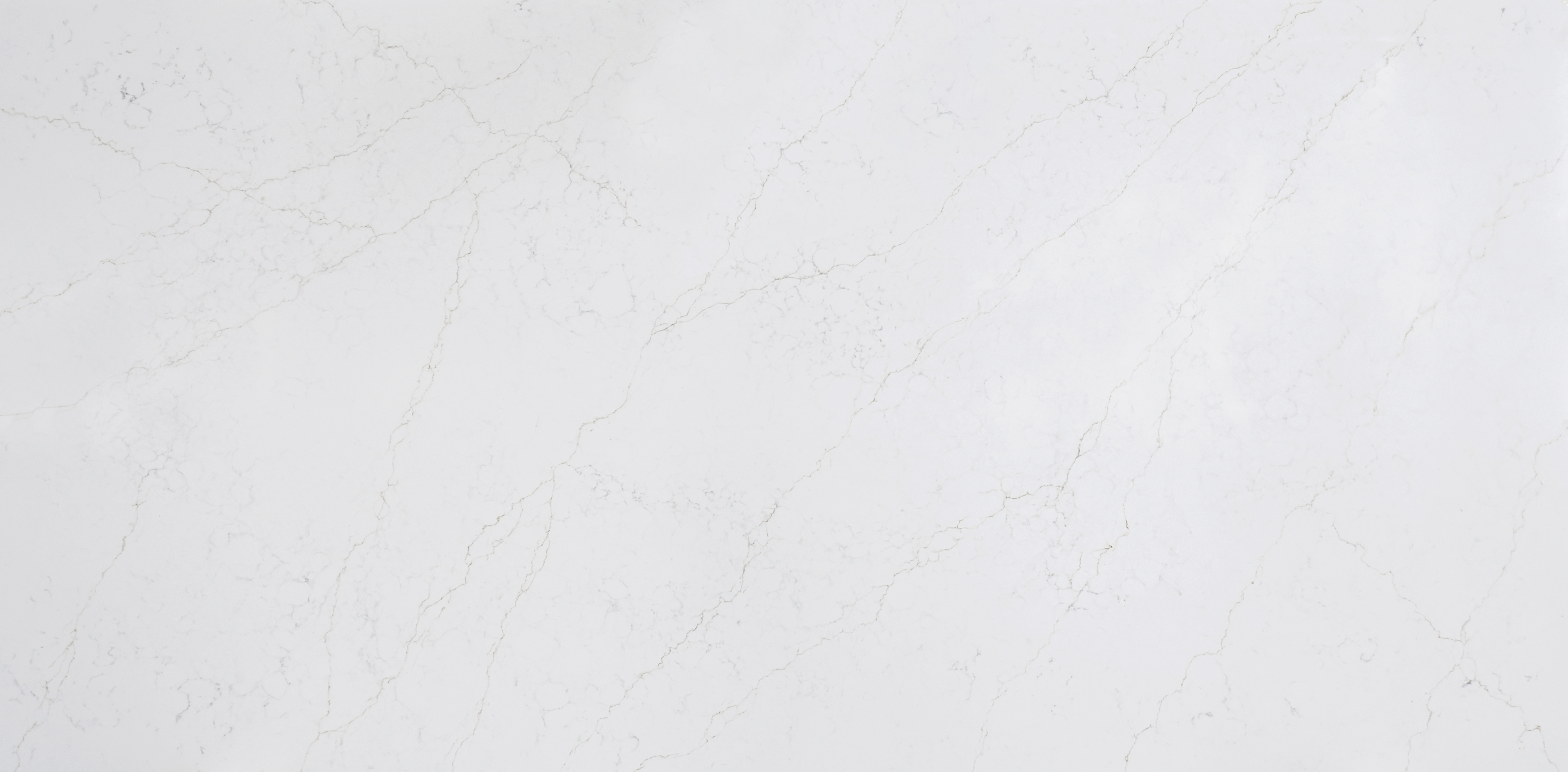
Leonardo Product Code: NQ8012
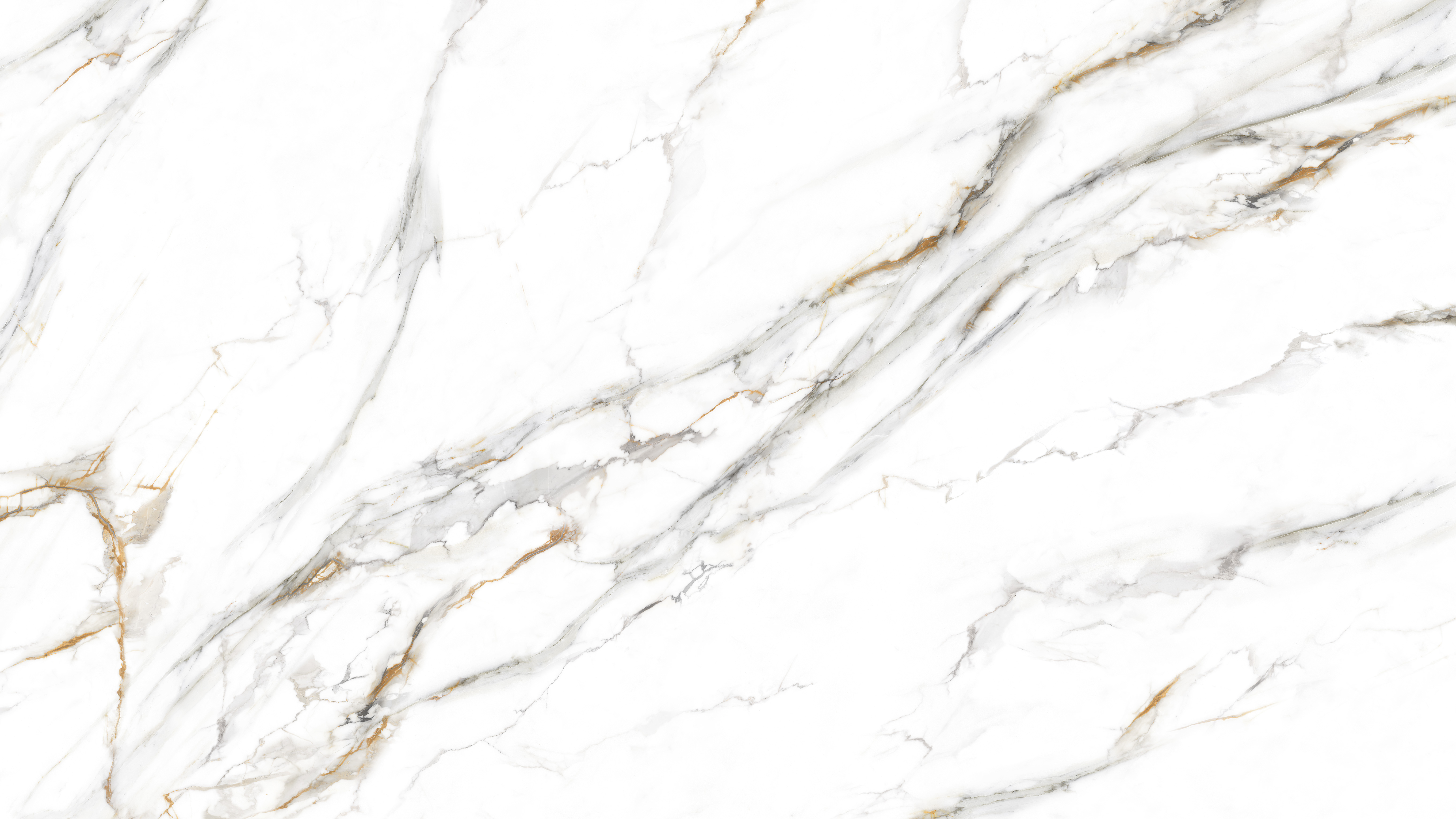
Tuscan Dream Product Code: NP2001
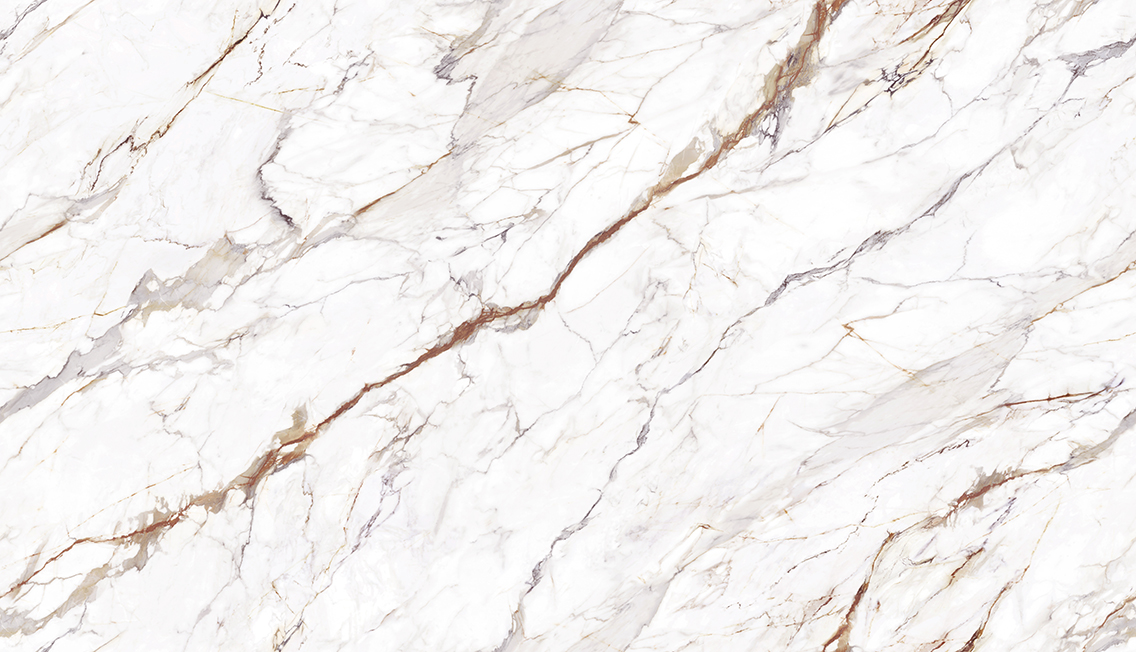
Arabescato Gold Product Code: NP2021
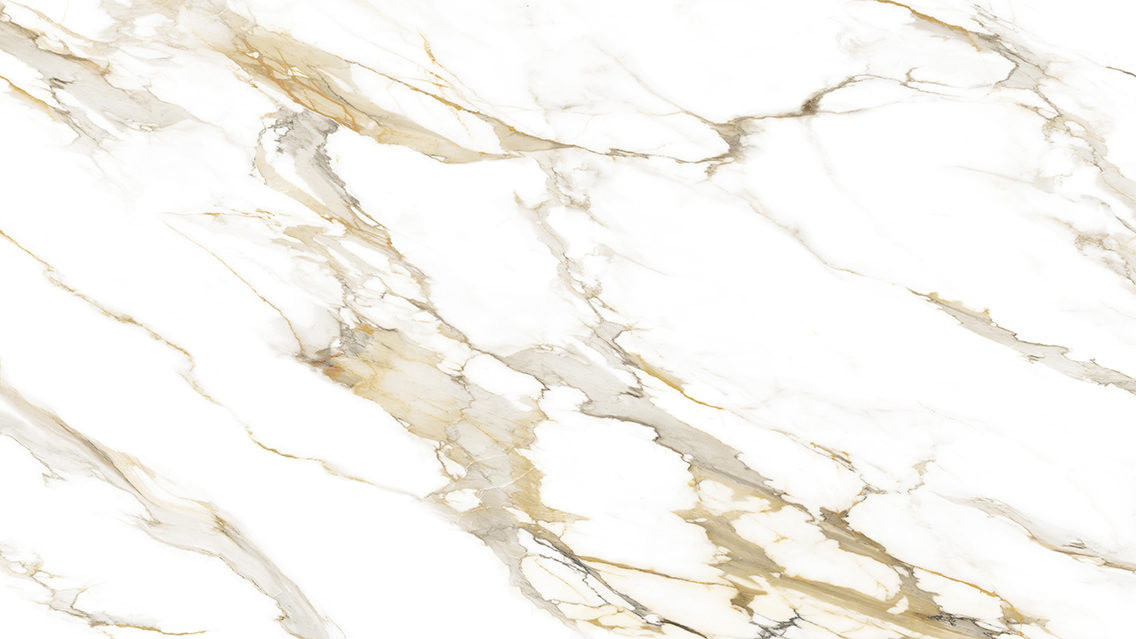
Garnet Product Code: NP2022
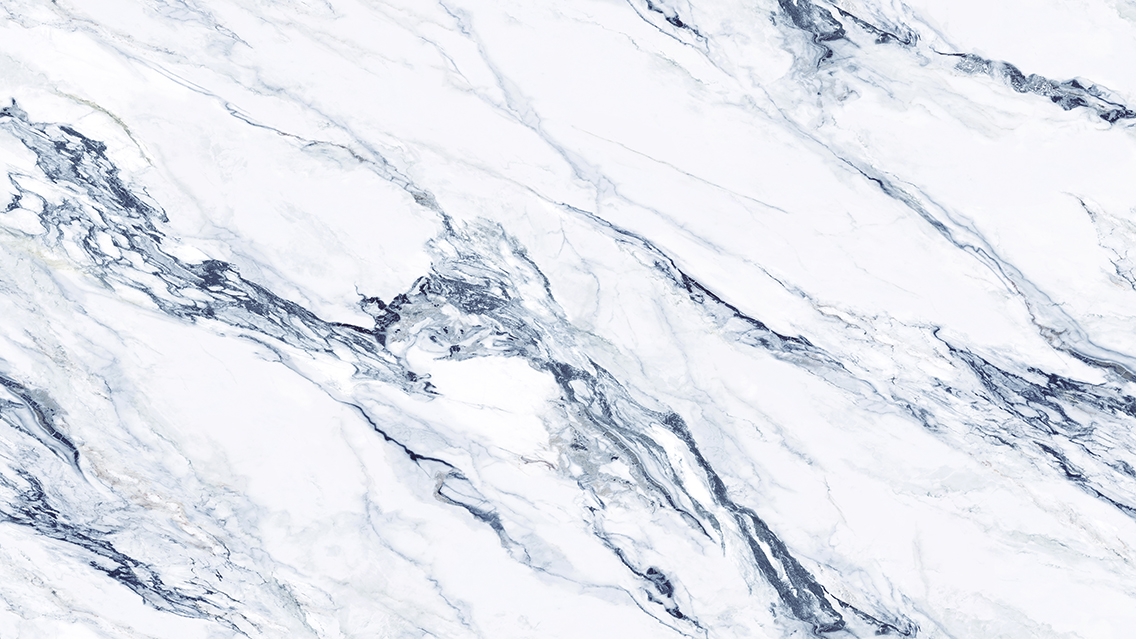
Darmaso Product Code: NP2024

Cristallo Product Code: NP2025

Calestial Product Code: NP2026
Featured Articles

Sign up for product consultation
Please leave your information, we will contact you immediately.