- Products
- Advanced Nano technology creates realistic, sharp, and sophisticated patterns.
- Striking veining blends artistry and nature for a luxurious touch.
- Timeless elegance with minimalist yet captivating designs.
- Crystalline Silica Free represents one of the most revolutionary advancements and the latest trends in the premium engineered quartz stone manufacturing industry.
- Pre-fabricated quartz pieces designed for convenience and beauty, reflecting each owner’s unique style and refined taste
- Customized quartz pieces precisely crafted to fit your project, ideal for countertops, vanities, and bespoke applications
- Applications
- Timeless Elegance & Durability
- Sophistication in Every Detail
- Serenity & Ultimate Comfort
- Your Personal Home Spa
- Projects
- News & Updates
- Discover Us
- Catalog
- Contact us


What Is Crystalline Silica Free (CSF): A Guide to Material Evaluation for Importers
10:53 | 20/10/2026
In the surface materials industry, Crystalline Silica Free (CSF) is attracting the attention of importers, distributors, and businesses sourcing stone for international markets. This trend is associated with increasingly stringent requirements for material composition, occupational risk control during processing, and compliance with regulations in each market.
However, for B2B businesses, selecting CSF materials is not simply a matter of finding a product with a suitable designation. Buyers need to consider the actual composition, test reports, technical properties, processability, and suitability for the requirements of the target market.
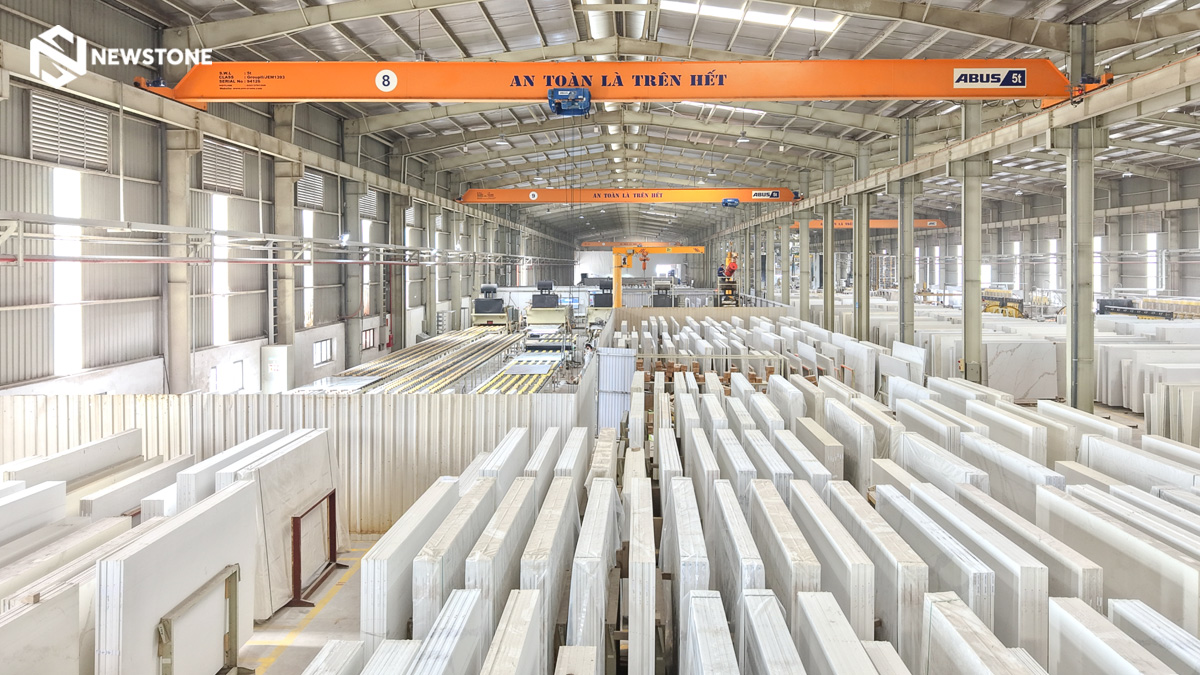
1. What Is Crystalline Silica Free (CSF)?
Crystalline Silica Free is an English term used to describe materials that do not contain crystalline silica within the corresponding defined scope and criteria. In the stone and surface materials sector, this term is often considered when businesses seek alternatives to materials containing significant levels of crystalline silica.
Crystalline silica is a form of silica with a crystalline structure that may be present in various minerals and natural materials. When materials containing crystalline silica are cut, ground, or processed, the respirable dust generated may pose health risks if workers inhale it without appropriate control measures.
2. How Does CSF Differ from Traditional Engineered Quartz?
Traditional engineered quartz typically uses mineral aggregates, including quartz, combined with binders and other components to create materials with designed colors, patterns, and technical properties.
The differences between material types lie not only in their designations but also in their compositional structure, manufacturing processes, and finished-product characteristics.
For importers and distributors, the following factors can be considered:
Raw Material Composition: Identify the types of minerals, binders, colorants, and other components used in the product.
Crystalline Silica Content: Review declared information and test results, while also identifying the test method, scope of assessment, and detection or quantification limits, where relevant.
Technical Properties: Evaluate hardness, scratch resistance, stain resistance, dimensional stability, and other parameters according to application requirements.
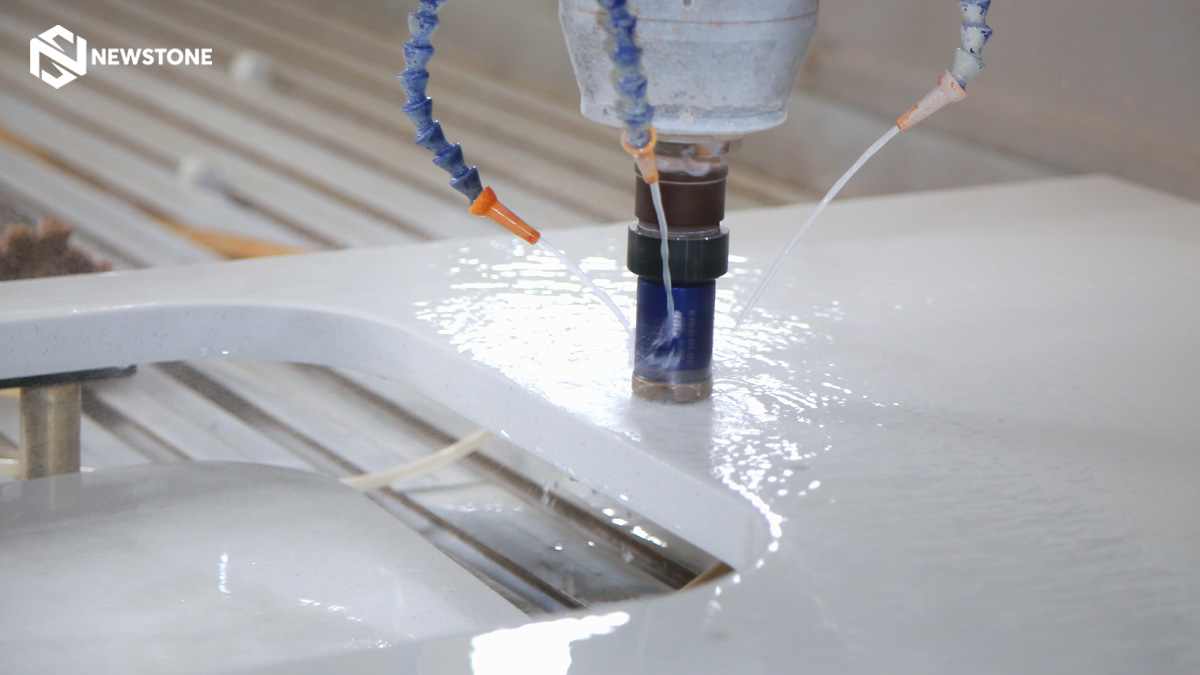
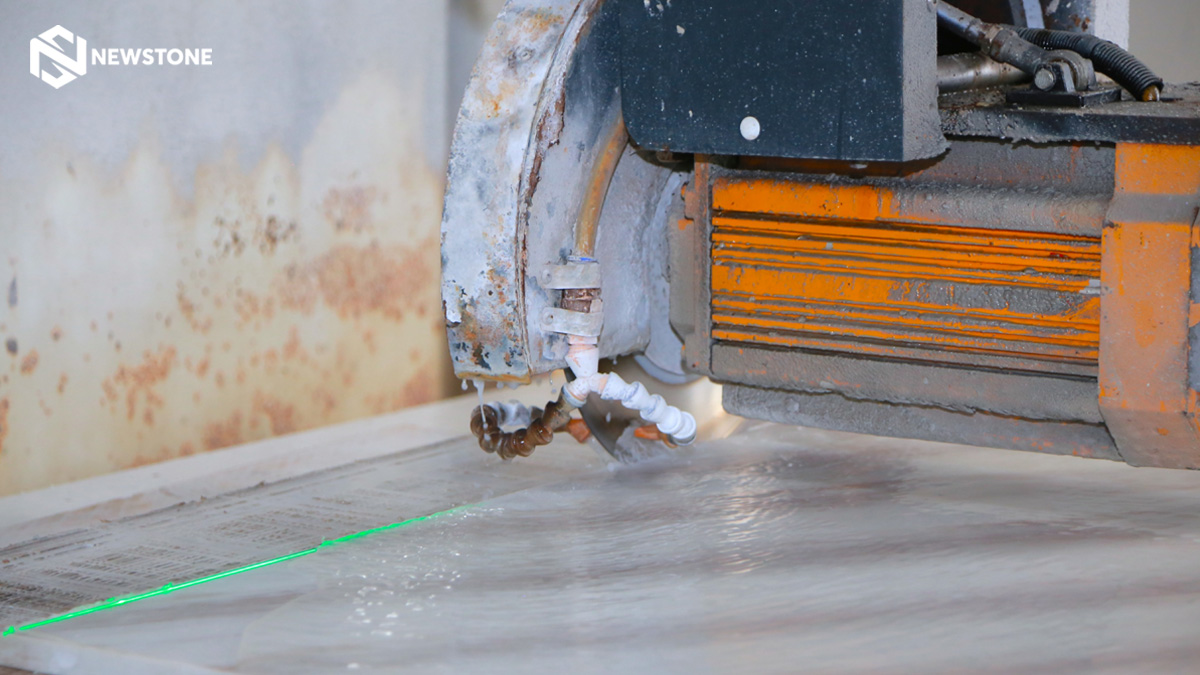
Processability: Check suitability for cutting, hole cutting, edge grinding, polishing, and installation.
3. Why Should Importers Pay Attention to CSF Materials?
For B2B businesses, evaluating CSF materials can support risk management, product portfolio selection, and the preparation of documentation for international trade.
3.1. Proactively Assess Risks During Processing
Respirable dust containing crystalline silica generated during cutting, grinding, and material processing is an important occupational health concern.
Therefore, considering materials with low crystalline silica content or no crystalline silica according to defined criteria may form part of a business's risk assessment and control strategy.
3.2. Meet Evaluation Requirements from Customers and Target Markets
Importers may need to provide information on composition, technical properties, and test documentation to customers, distribution partners, or installation contractors.
3.3. Enhance Transparency Across the Supply Chain
For export orders, product information needs to be consistent among the manufacturer, exporter, importer, and processing company. Clear documentation helps all parties correctly identify material samples, slab specifications, technical parameters, and quality control requirements.
4. Checklist for Evaluating CSF Materials Before Ordering
To select a suitable supplier, businesses should establish an evaluation process based on the following information categories.
4.1. Verify Composition and Test Documentation
Importers should request relevant documents from suppliers, including: documentation describing the material composition or declared composition information; test reports; technical documentation and material safety information, where required.
4.2. Evaluate Technical Properties and Finished-Product Quality
In addition to composition, performance in use is an important factor when selecting materials for kitchen countertops, tables, bar counters, or other interior applications.
Parameters that may be considered include: hardness and scratch resistance; stain resistance; heat resistance; color, pattern, surface finish, and consistency between batches.
4.3. Check Processability
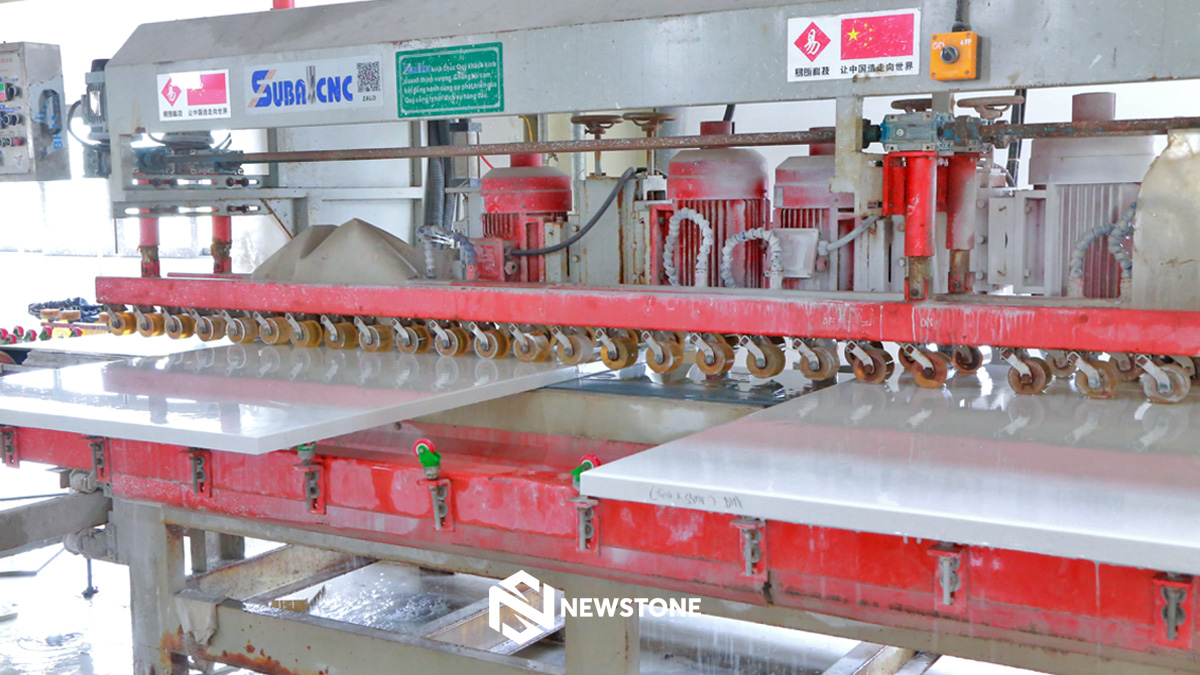
Items to be checked include slab cutting, sink cutouts, edge grinding and polishing, corner treatment, jointing, and surface finishing.
4.4. Verify Supplier Capability and Consistency
A suitable supplier must not only provide products that meet initial requirements but also be able to maintain consistency throughout the supply process. For export orders, samples, technical specifications, and inspection criteria need to be agreed upon.
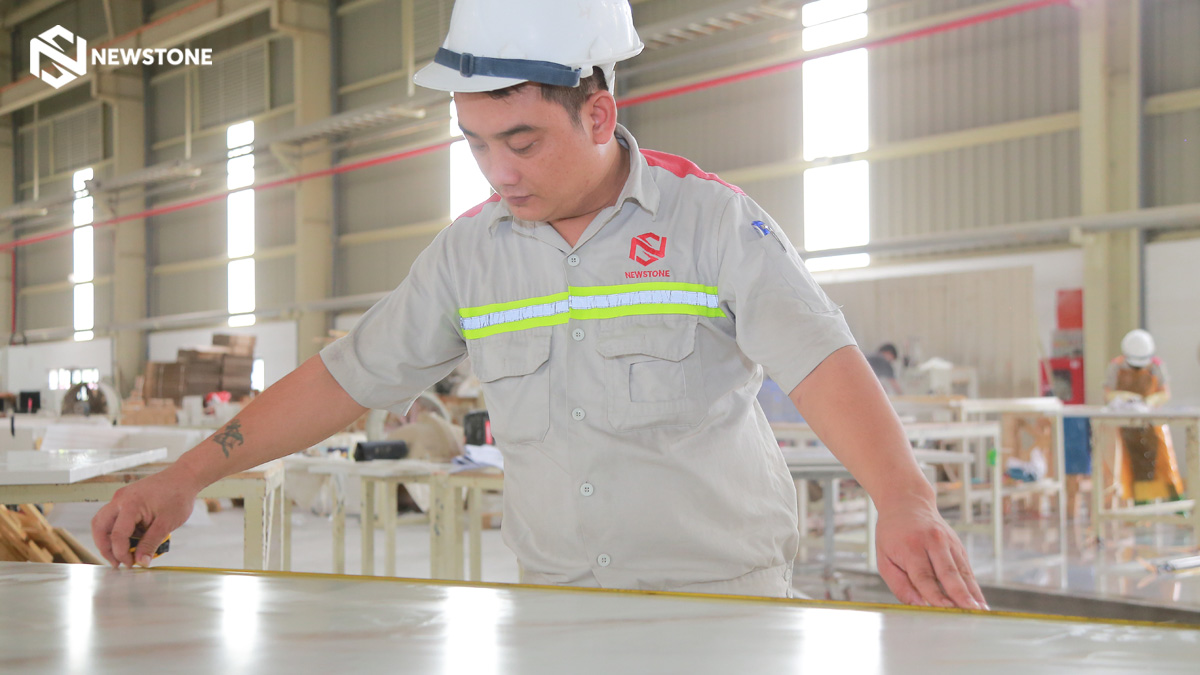
5. NewStone – Supporting Partners in the Material Evaluation Process
For importers, distributors, and processing businesses, material selection should be based on a combination of composition information, technical documentation, product quality, and target market requirements.
NewStone aims to exchange product information and technical requirements with partners, thereby supporting the process of understanding materials, evaluating samples, and determining the parameters that need to be agreed upon before cooperation.
When sourcing stone materials for projects or distribution activities, businesses can proactively discuss the product portfolio, slab specifications, processing requirements, and available technical documentation with NewStone.
A clear evaluation process will help businesses take a more proactive approach to supplier selection, quality management, and building long-term partnerships.
New Stone Technology Joint Stock Company
Hotline: +84 210 3992 888
Address: Lot D3-1, Trung Ha Industrial Park, Tam Nong Commune, Phu Tho Province, Vietnam.
Website: https://newstone.com.vn/
Fanpage: https://www.facebook.com/NEWSTONEJSC
Featured Products

Splendor Product Code: NQ9034

Luxor Product Code: NP2000

Venatino Product Code: NQ8000

Grand Taj Sparkle Product Code: NQ9025

Lagos Product Code: NQ9035

Carrara Blanco Product Code: NQ6003

Black Carrara Product Code: NQ6005

Noreian Product Code: NQ6013

Mysteri Product Code: NQ8003

Mirario Emar Product Code: NQ8007

Calacatta Brook Product Code: NQ8015

Calacatta Gold Product Code: NQ9001

Juno Product Code: NQ9038

Roma Product Code: NZ5900

Milano Product Code: NZ5901

Neapolis Product Code: NZ5902
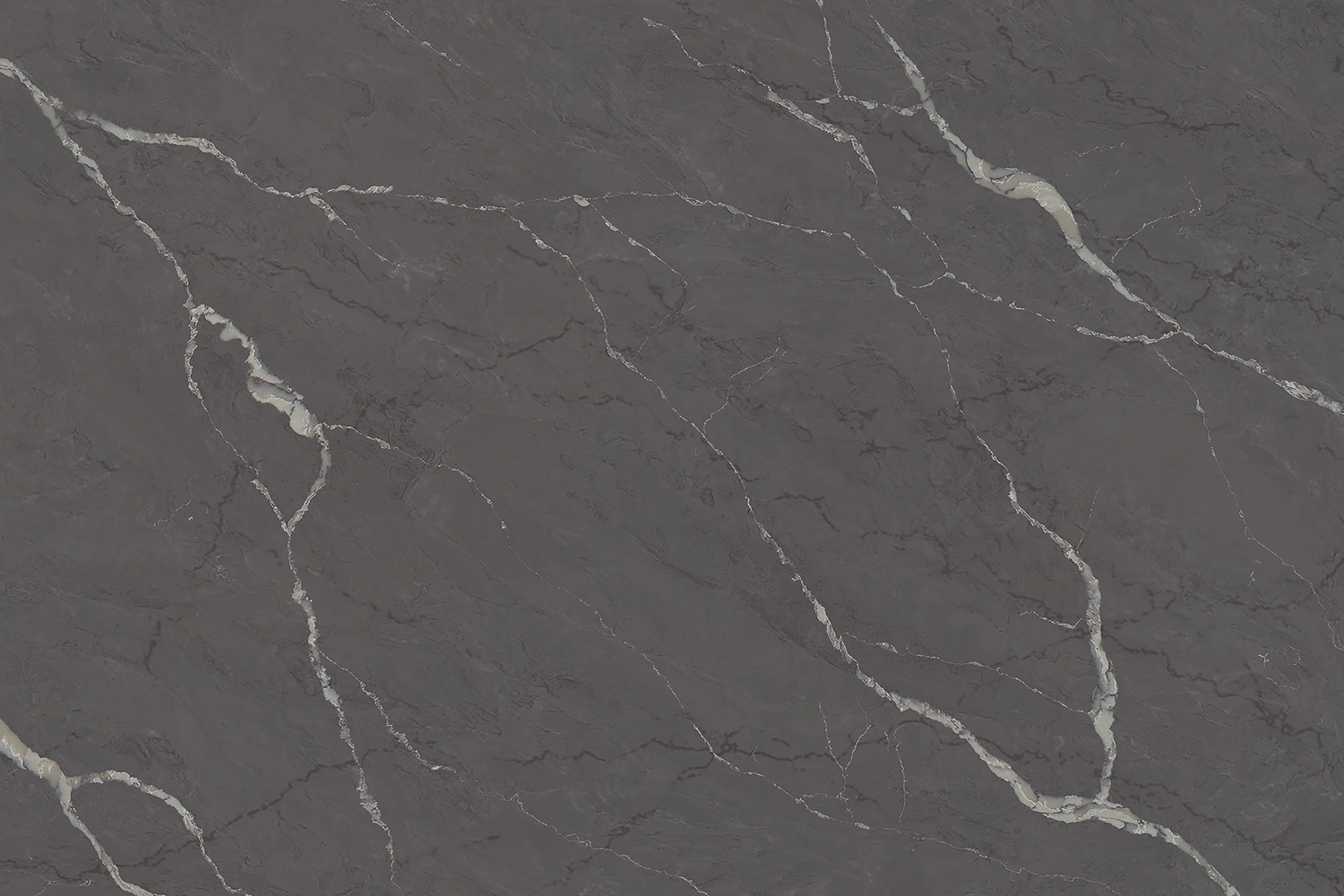
Florentia Product Code: NZ5903

Agusta Product Code: NZ5904

Lusso Gold Product Code: NQ8011

Lusso Classic Product Code: NQ8010

Leonardo Product Code: NQ8012

Tuscan Dream Product Code: NP2001

Arabescato Gold Product Code: NP2021

Garnet Product Code: NP2022

Darmaso Product Code: NP2024

Cristallo Product Code: NP2025

Calestial Product Code: NP2026
Featured Articles



Sign up for product consultation
Please leave your information, we will contact you immediately.