- Products
- Advanced Nano technology creates realistic, sharp, and sophisticated patterns.
- Striking veining blends artistry and nature for a luxurious touch.
- Timeless elegance with minimalist yet captivating designs.
- Crystalline Silica Free represents one of the most revolutionary advancements and the latest trends in the premium engineered quartz stone manufacturing industry.
- Pre-fabricated quartz pieces designed for convenience and beauty, reflecting each owner’s unique style and refined taste
- Customized quartz pieces precisely crafted to fit your project, ideal for countertops, vanities, and bespoke applications
- Applications
- Timeless Elegance & Durability
- Sophistication in Every Detail
- Serenity & Ultimate Comfort
- Your Personal Home Spa
- Projects
- News & Updates
- Discover Us
- Catalog
- Contact us


What Is the Difference Between Marble and Quartz?
15:23 | 20/07/2026
What Is the Difference Between Marble and Quartz? A Detailed Comparison
In high-end interior construction, marble and quartz are two of the most popular materials for kitchen countertops, kitchen islands, flooring, and wall cladding. Both offer luxurious beauty, but they differ significantly in composition, durability, maintenance requirements, and pricing. So, what are the key differences between marble and quartz, and which one is the right choice for your living space? Let Newstone guide you through the details below.
1. What Is Marble?
Natural marble is a metamorphic stone formed from limestone (calcium carbonate) subjected to intense heat and pressure deep within the earth over millions of years. This natural process creates unique veining patterns, making every slab one of a kind.
Key Characteristics of Marble:
- Elegant and natural veining with a luxurious appearance and high exclusivity
- Naturally glossy surface when polished
- A premium material commonly associated with classical and neoclassical architecture
- Many imported marble collections from Italy, Spain, and Turkey are highly valued for their rare veining patterns
2. What Is Quartz?
Quartz stone, also known as engineered quartz, is manufactured by combining natural quartz crystals with pigments and additives, then compressing the mixture under high pressure and temperature to create uniform slabs.
Key Characteristics of Quartz:
- Consistent surface with minimal porosity; colors and patterns can be customized
- High hardness with excellent scratch resistance and water resistance
- Available in a wide range of colors, including tones not found in nature
- Suitable for various design styles, from modern and minimalist to luxurious interiors
- Many premium quartz products today feature antibacterial treatment, making them ideal for kitchen countertops and kitchen islands in homes with children
Read More: The 5 Most Popular Kitchen Countertop Materials: An Expert's Guide to Selection
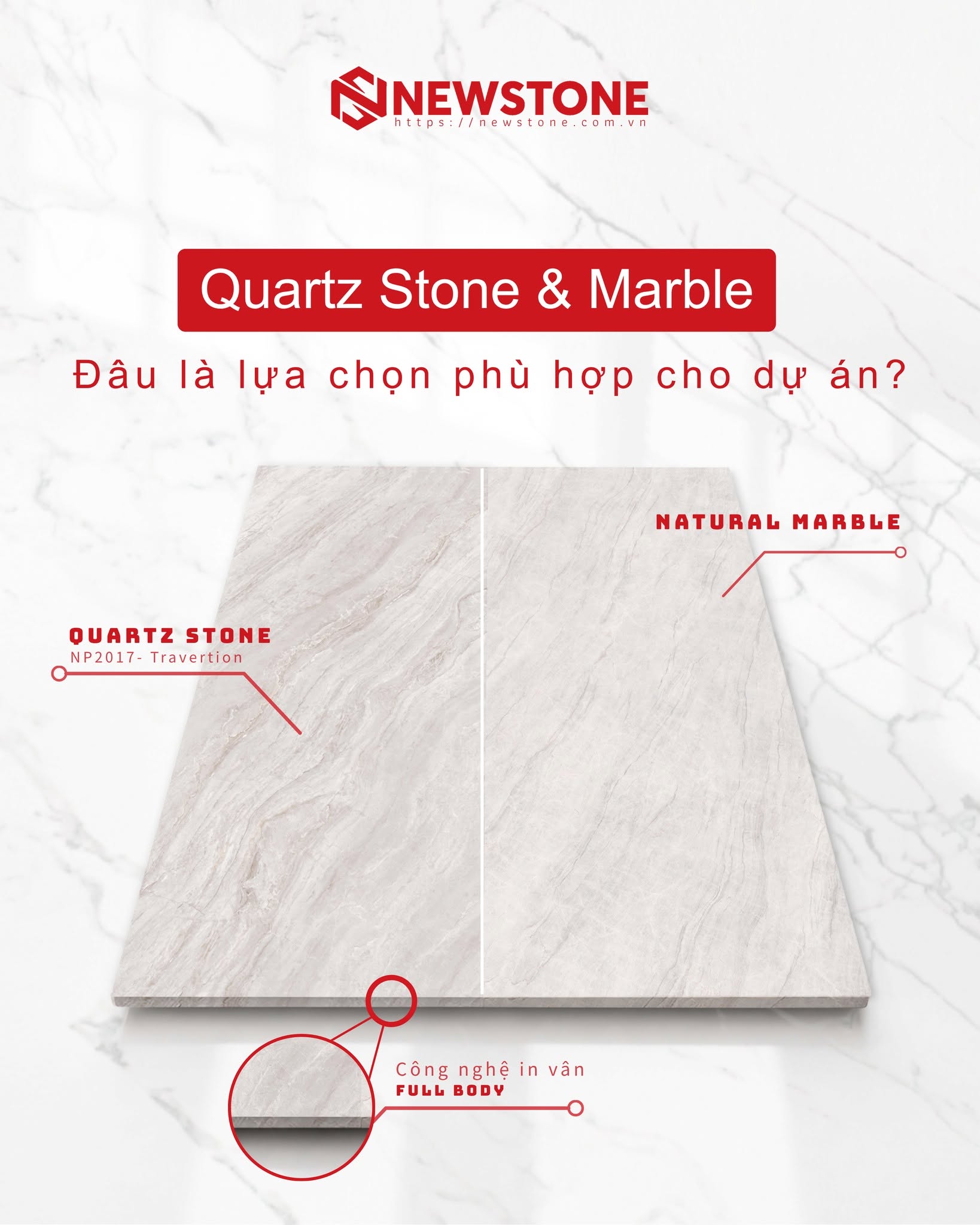
3. Detailed Comparison Between Marble and Quartz
Criteria | Marble | Quartz |
Origin | Natural stone | Engineered stone with quartz base |
Heat Resistance | Good heat resistance but prone to cracking under impact | Heat resistant, but sudden exposure to extremely high temperatures should be avoided |
Uniformity | Every slab is unique | Consistent appearance across slabs |
Maintenance | Requires regular polishing and sealing | Minimal maintenance and reduced need for sealing |
Cost | Varies depending on quarrying and rarity | More stable pricing |
Application | Flooring, staircases, decorative wall cladding, relief sculptures | Kitchen countertops, kitchen islands, dining tables, bathroom wall cladding |
4. Advantages and Disadvantages of Each Material
Marble
Advantages:
- Natural, luxurious, and timeless beauty that cannot be replicated
- Offers unique aesthetic value and long-term investment appeal for architectural projects
Disadvantages:
- Requires periodic maintenance and polishing to maintain its shine
- Long-term installation and maintenance costs are typically higher
Quartz
Advantages:
- Highly durable with strong resistance to scratches, stains, and bacteria
- Wide color selection that easily matches different interior styles
- Ideal for modern interior applications
Disadvantages:
- May discolor or slightly deform if exposed to extremely high temperatures for extended periods
Read More: Choose a Feng Shui-Friendly Kitchen Countertop Stone: The Secret to Attracting Prosperity in 2026
5. Reference Pricing for Marble and Quartz
The prices of marble and quartz vary depending on origin, thickness, color, and order quantity:
Marble: Premium pricing suitable for villas, luxury residences, and hotels
Quartz: Stable pricing combined with long-term durability and warranty benefits
Note: Quartz pricing may vary depending on market conditions and suppliers. For the most accurate quartz quotation based on your project area and preferred stone type, contact Newstone directly for free consultation.
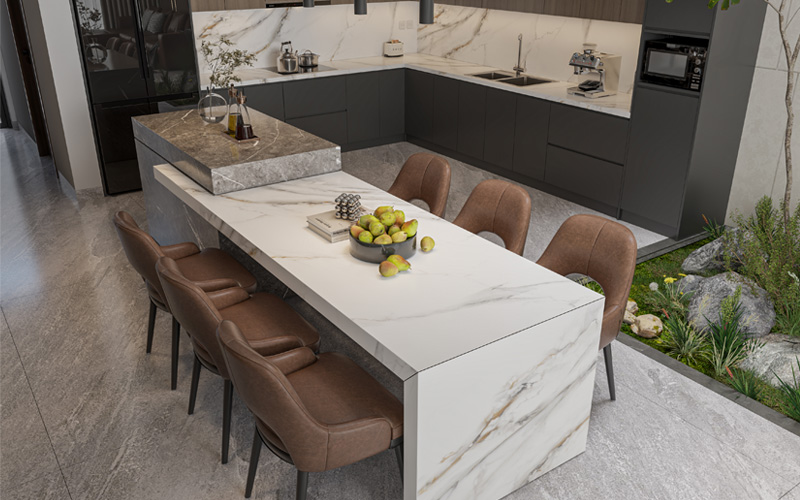
6. Should You Choose Marble or Quartz?
The decision between marble and quartz depends on your usage needs, budget, and interior style preferences.
- Choose marble if you prioritize natural beauty, luxury, uniqueness, and are willing to perform regular maintenance. Marble is ideal for grand lobbies, staircases, and exterior architectural applications.
- Choose quartz if you need a durable, low-maintenance material with strong scratch and water resistance. Quartz is especially suitable for kitchen countertops, kitchen islands, bathrooms, bars, and areas frequently exposed to water, grease, and impact. It is an excellent choice for interior applications.
Conclusion
Both marble and quartz offer their own distinct beauty and advantages. Marble stands out for its natural elegance and exclusivity, while quartz wins users over with durability, stain resistance, and practicality for everyday living.
At Newstone, we provide a wide range of premium quartz collections along with experienced consultants who can help you select the perfect stone for your space and budget. Contact Newstone today for detailed quartz consultation and pricing information.
GET FREE QUARTZ SAMPLE CONSULTATION HERE
New Stone Technology Joint Stock Company
Hotline: +84 210 3992 888
Address: D3-1 Lot, Trung Ha Industrial Park, Tam Nong Commune, Phu Tho Province, Vietnam
Website: https://newstone.com.vn/
Fanpage: https://www.facebook.com/NEWSTONEJSC
Featured Products
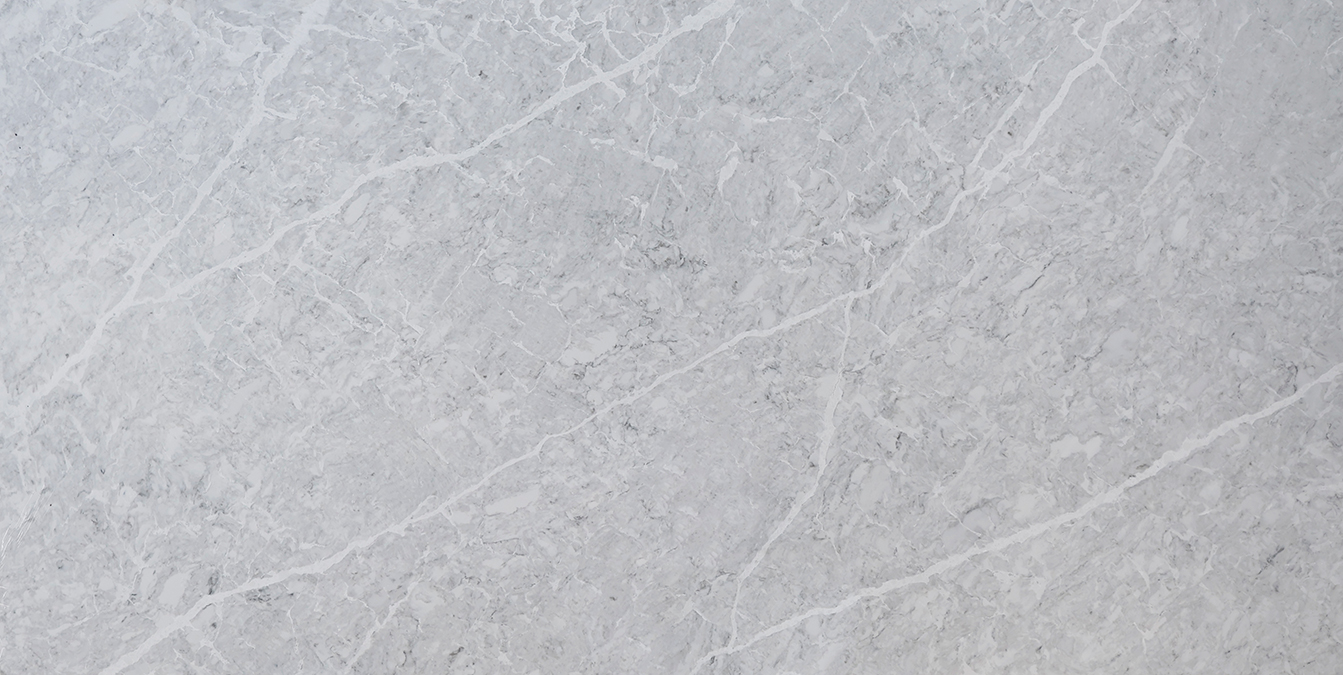
Splendor Product Code: NQ9034
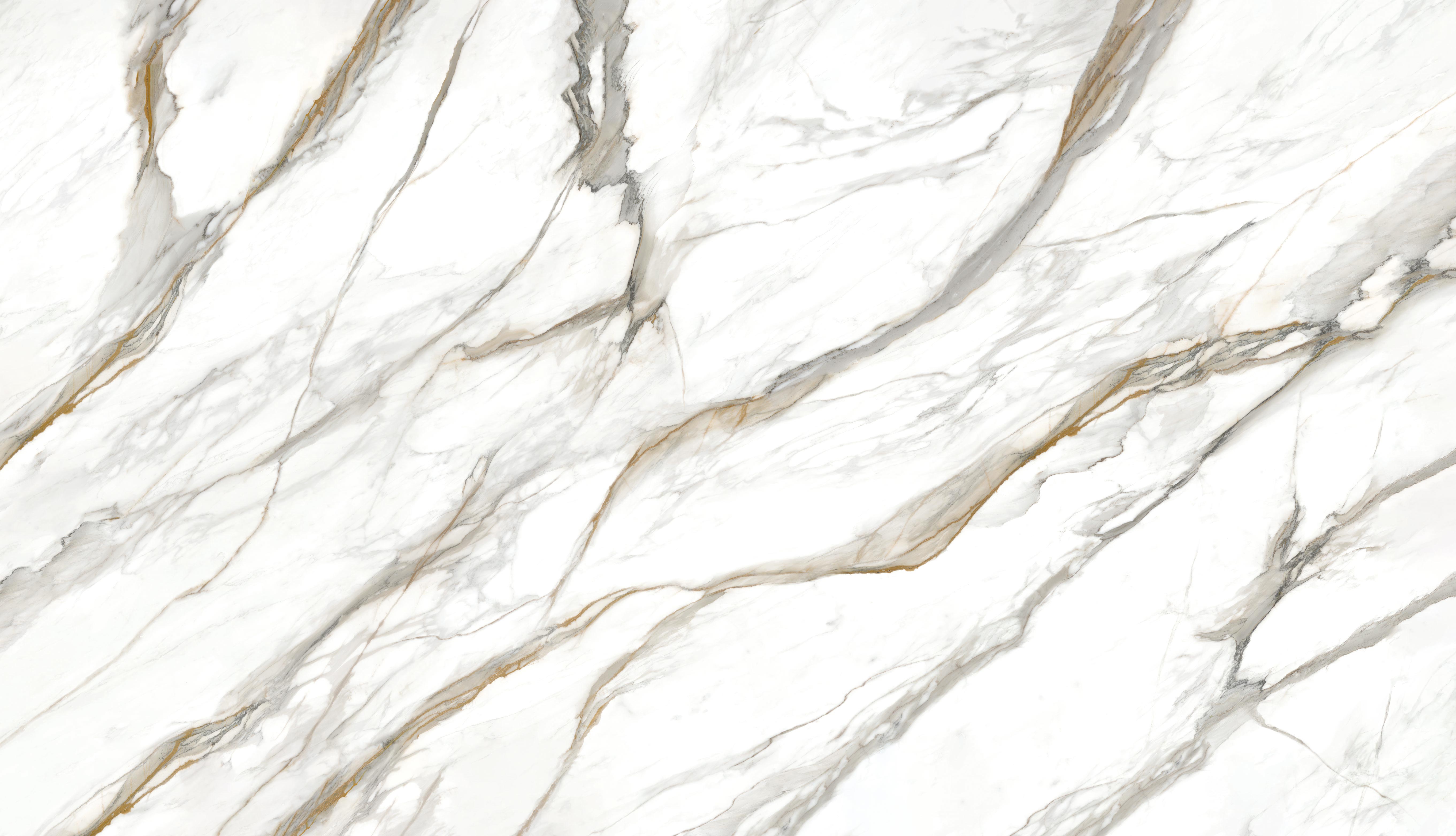
Luxor Product Code: NP2000
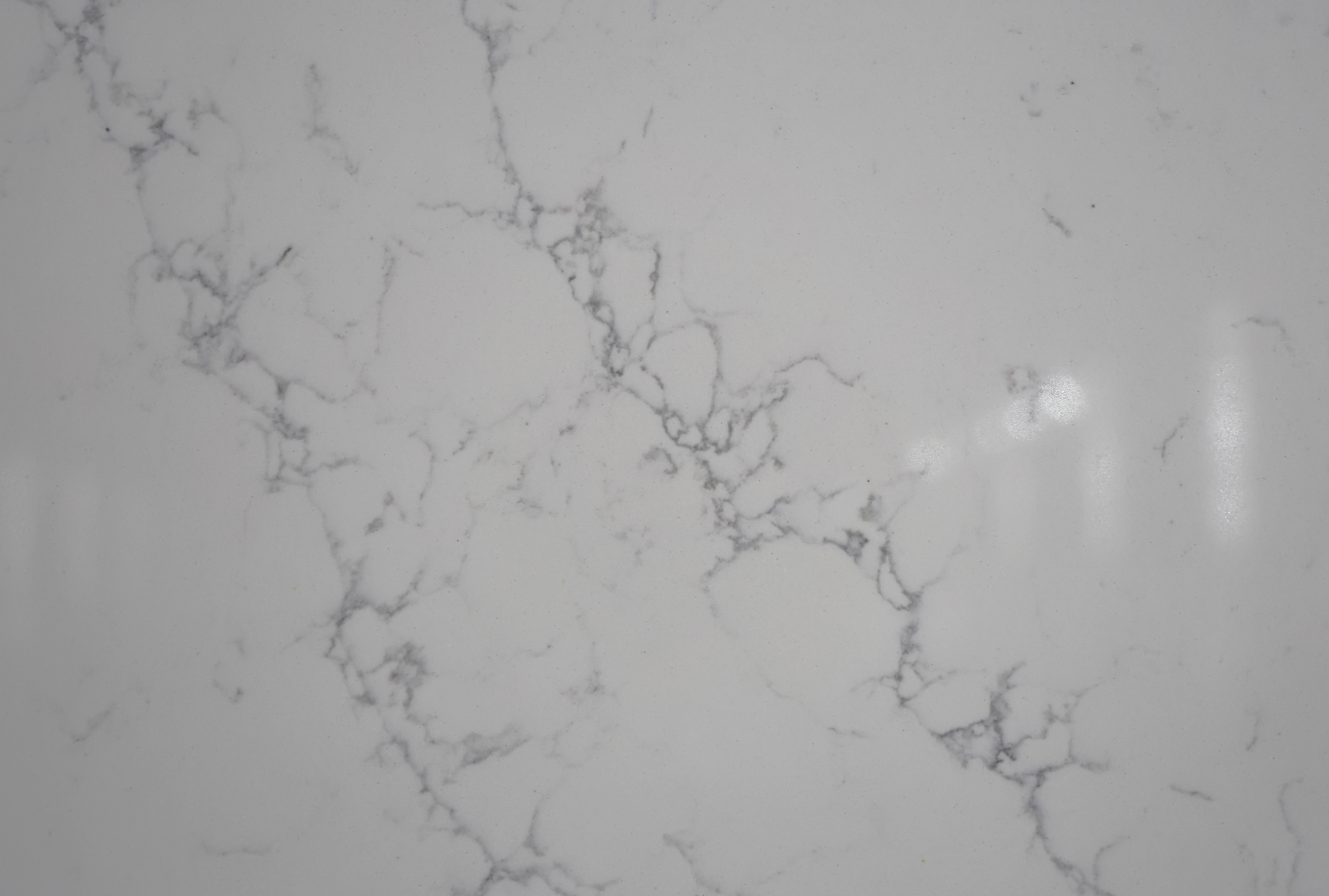
Venatino Product Code: NQ8000
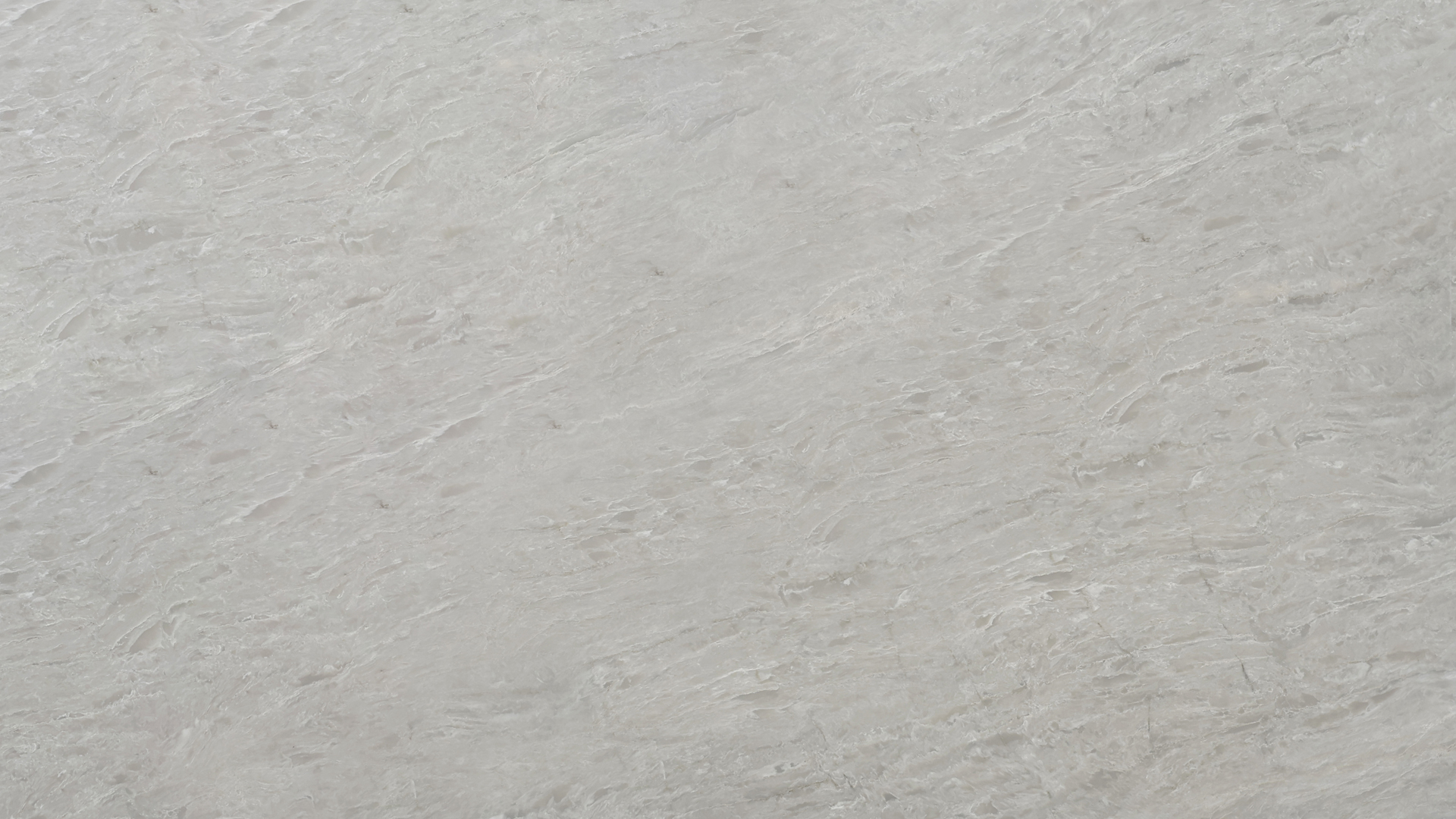
Grand Taj Sparkle Product Code: NQ9025
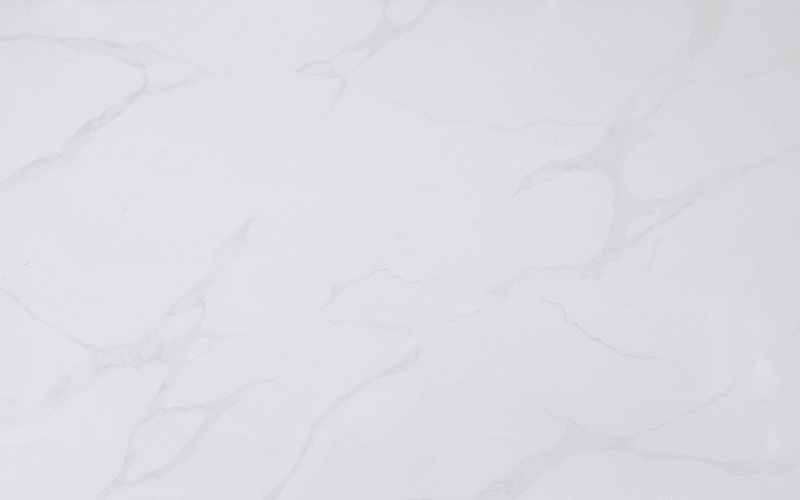
Lagos Product Code: NQ9035
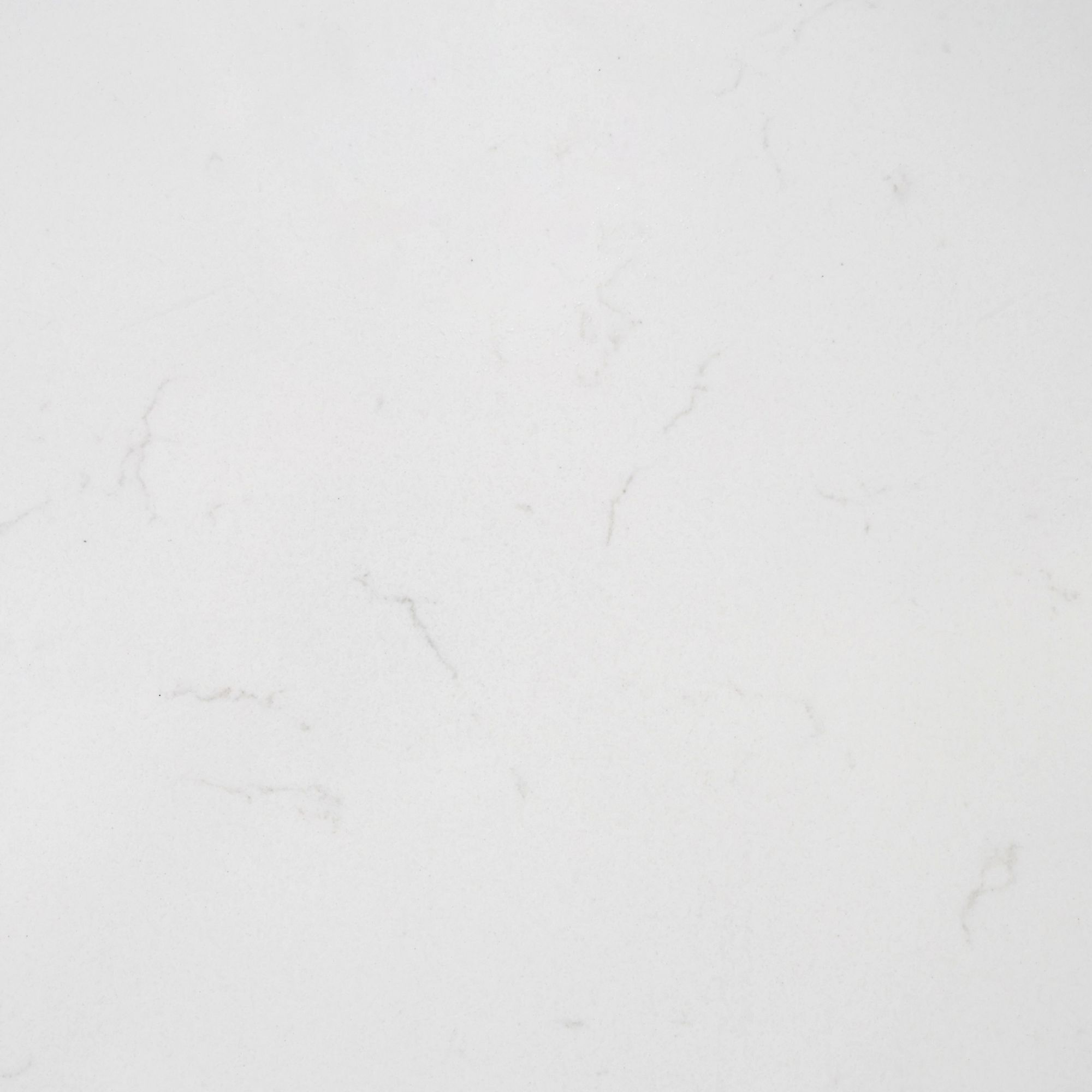
Carrara Blanco Product Code: NQ6003

Black Carrara Product Code: NQ6005

Noreian Product Code: NQ6013
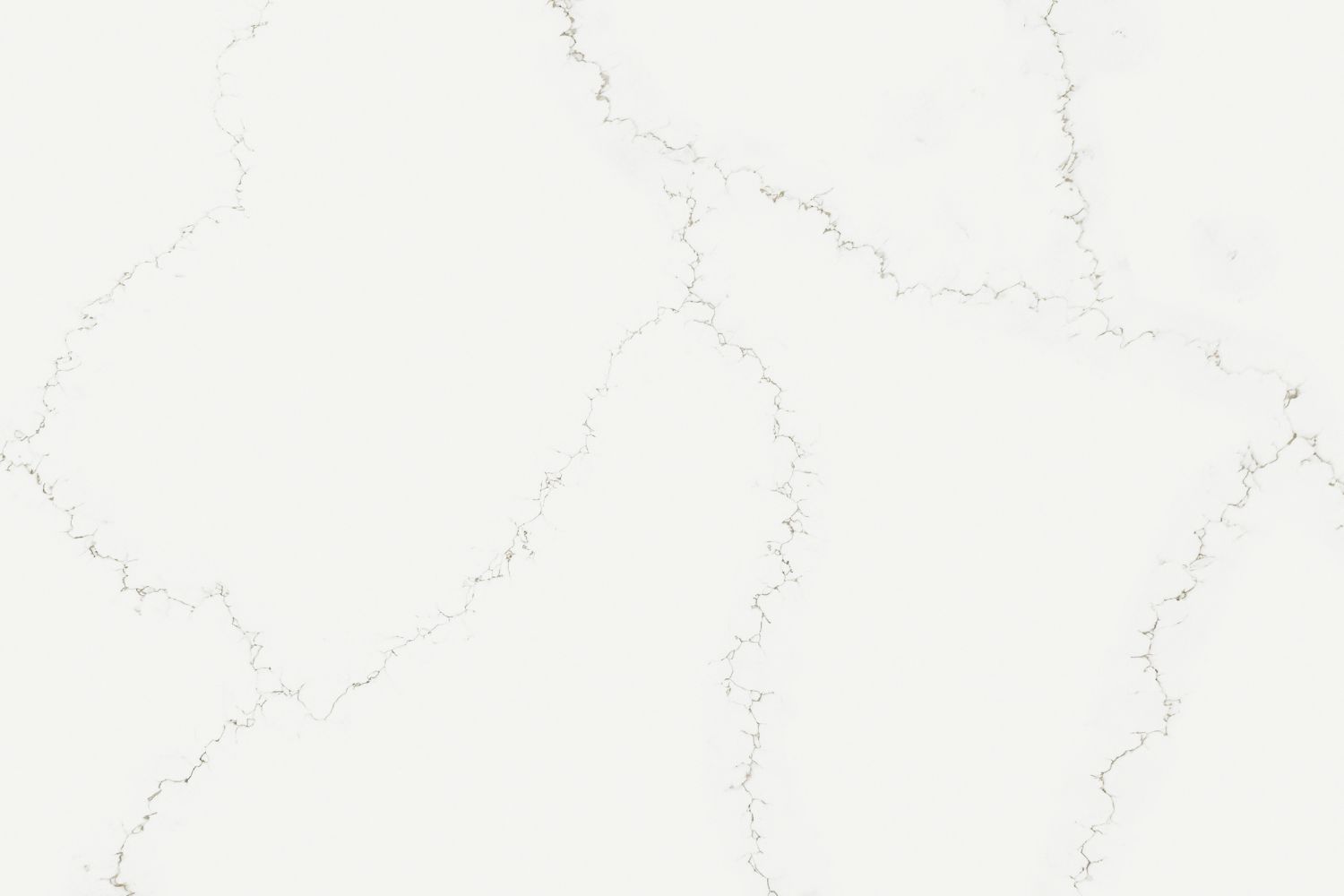
Mysteri Product Code: NQ8003

Mirario Emar Product Code: NQ8007
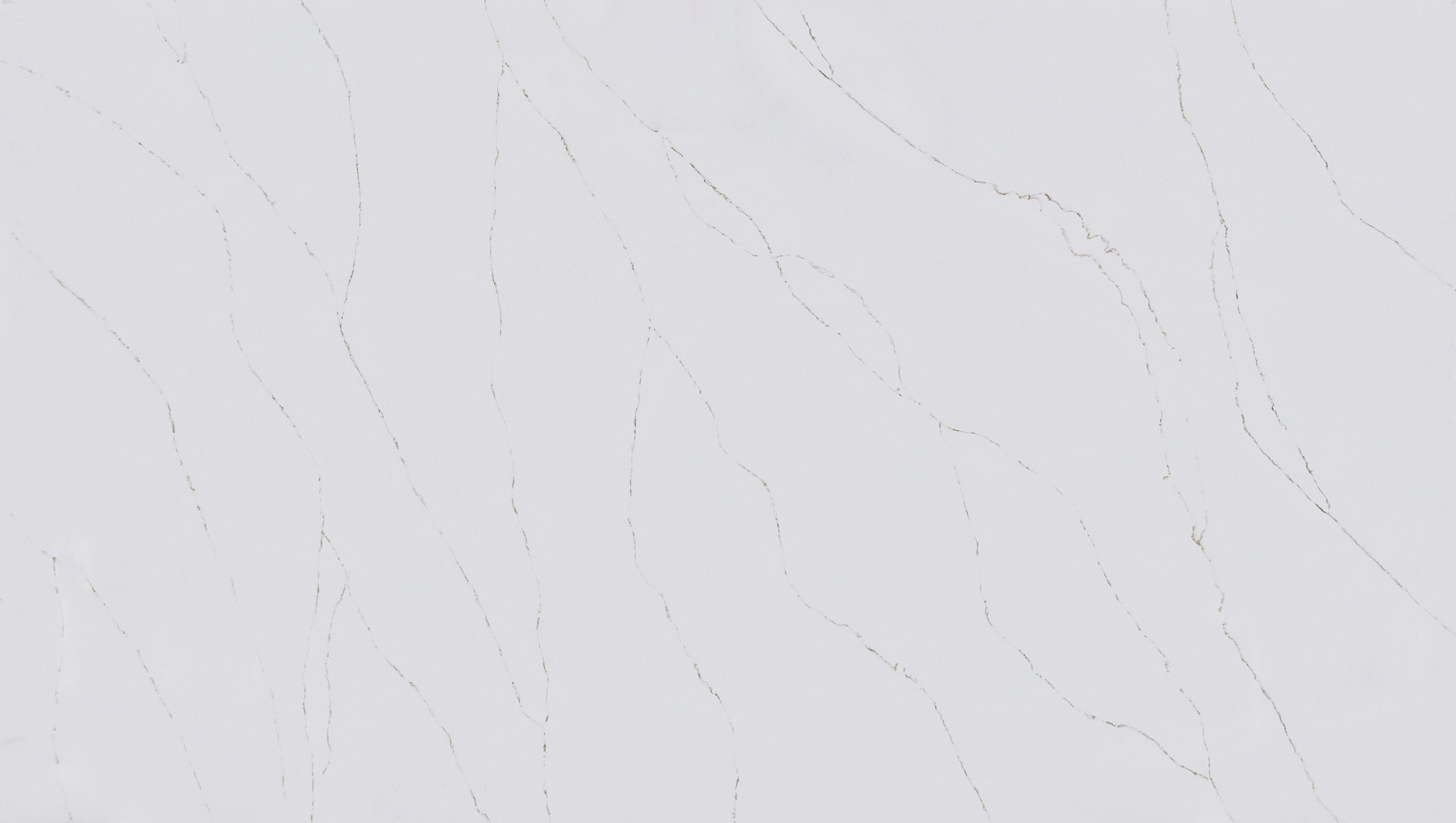
Calacatta Brook Product Code: NQ8015

Calacatta Gold Product Code: NQ9001
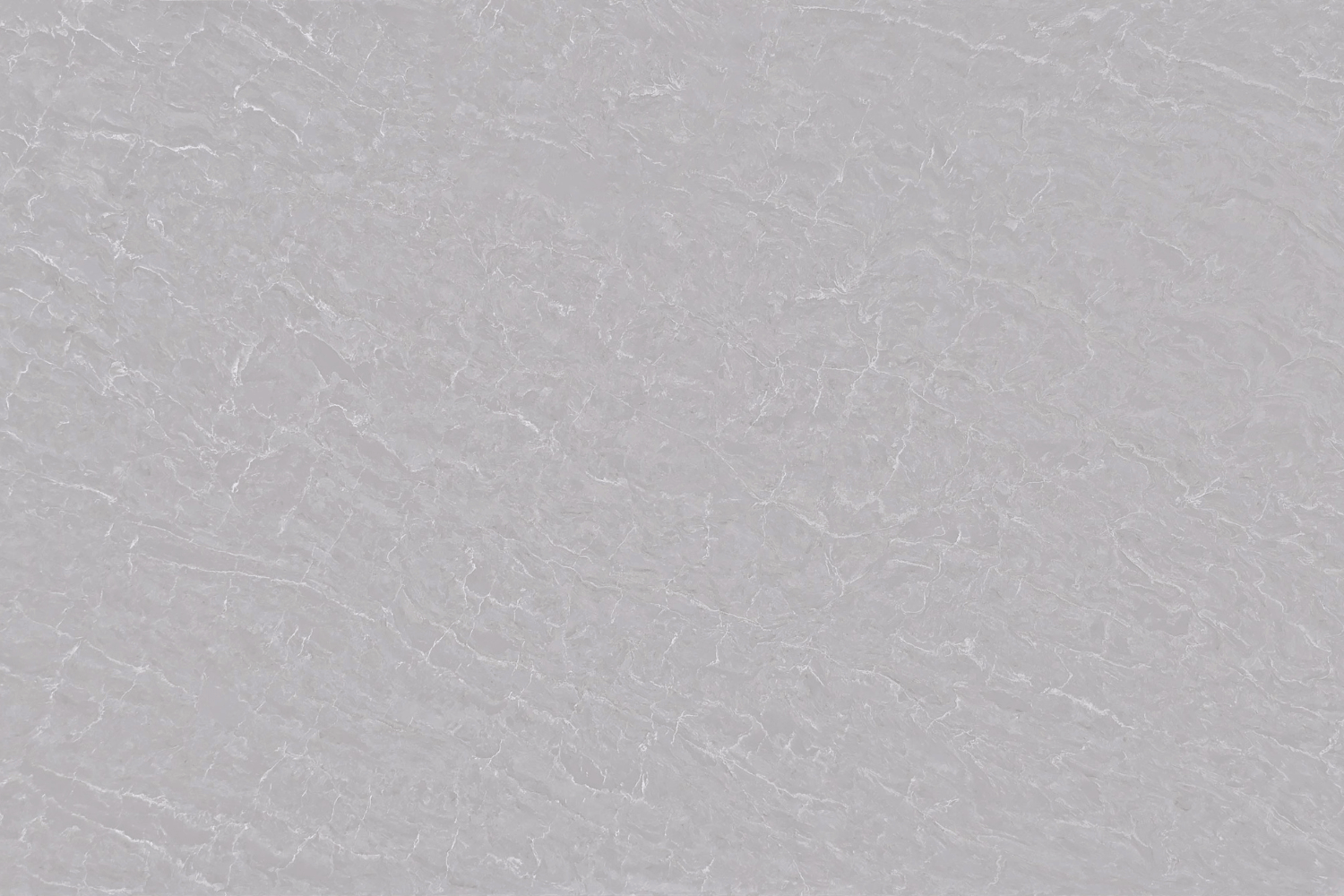
Juno Product Code: NQ9038
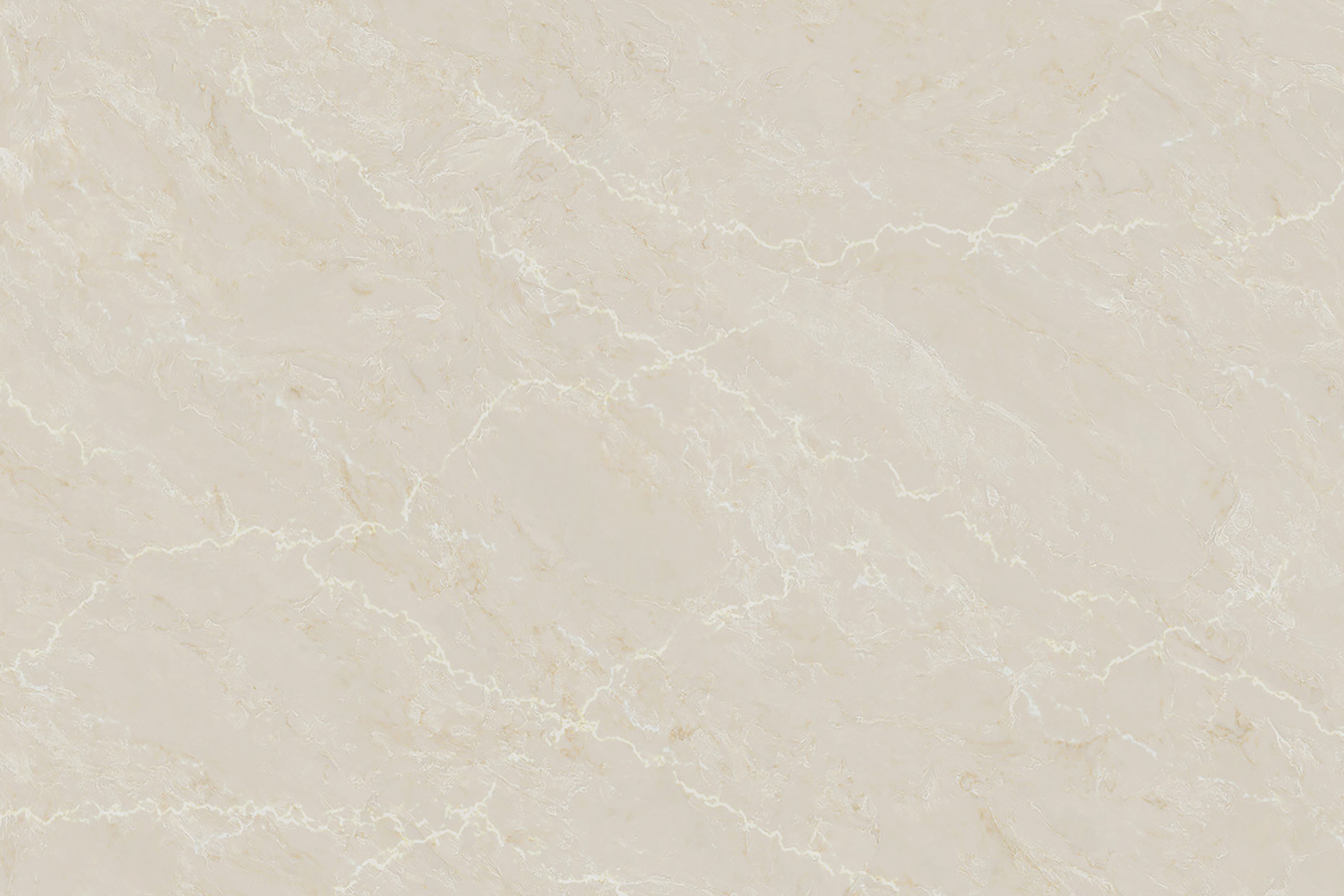
Roma Product Code: NZ5900
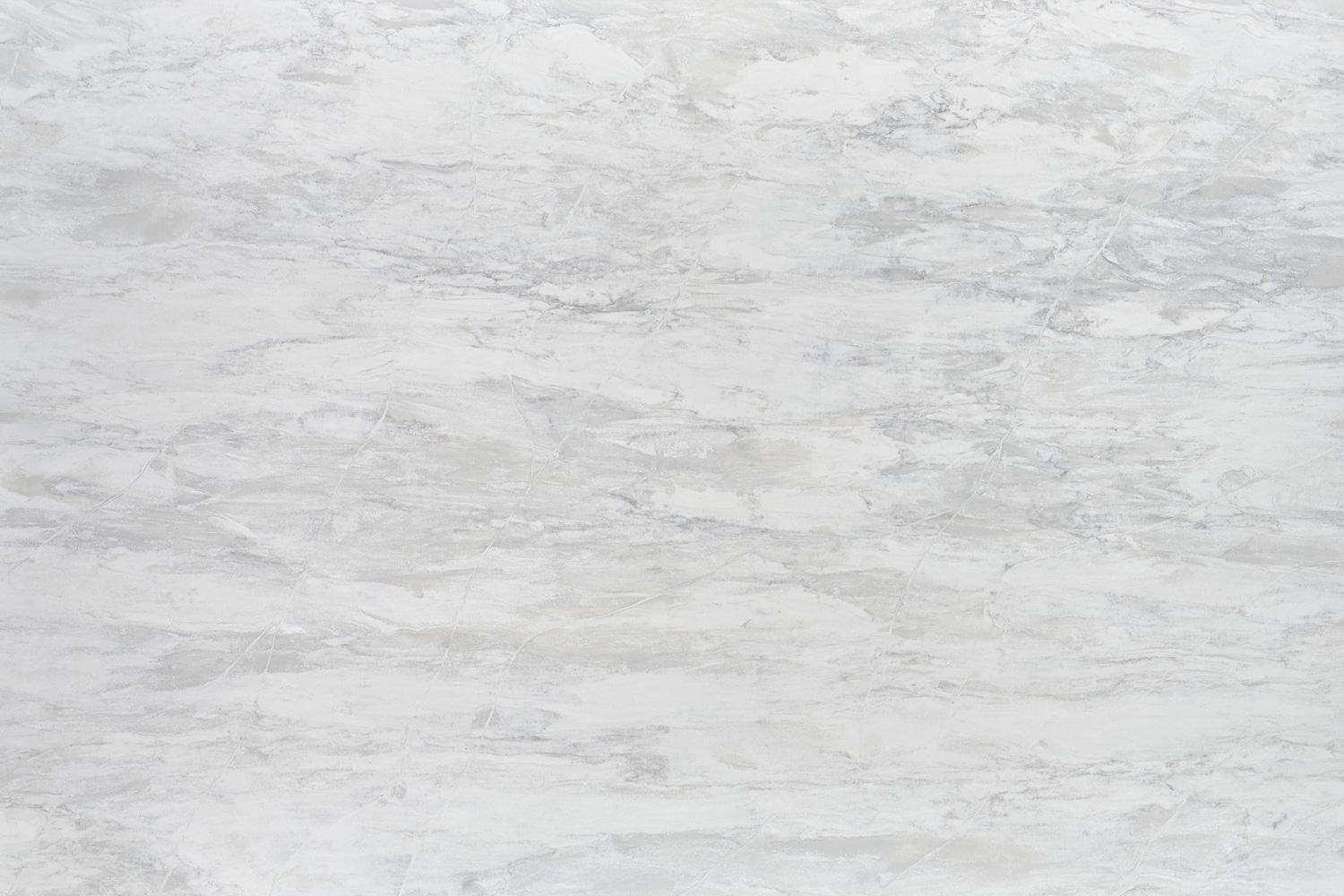
Milano Product Code: NZ5901

Neapolis Product Code: NZ5902
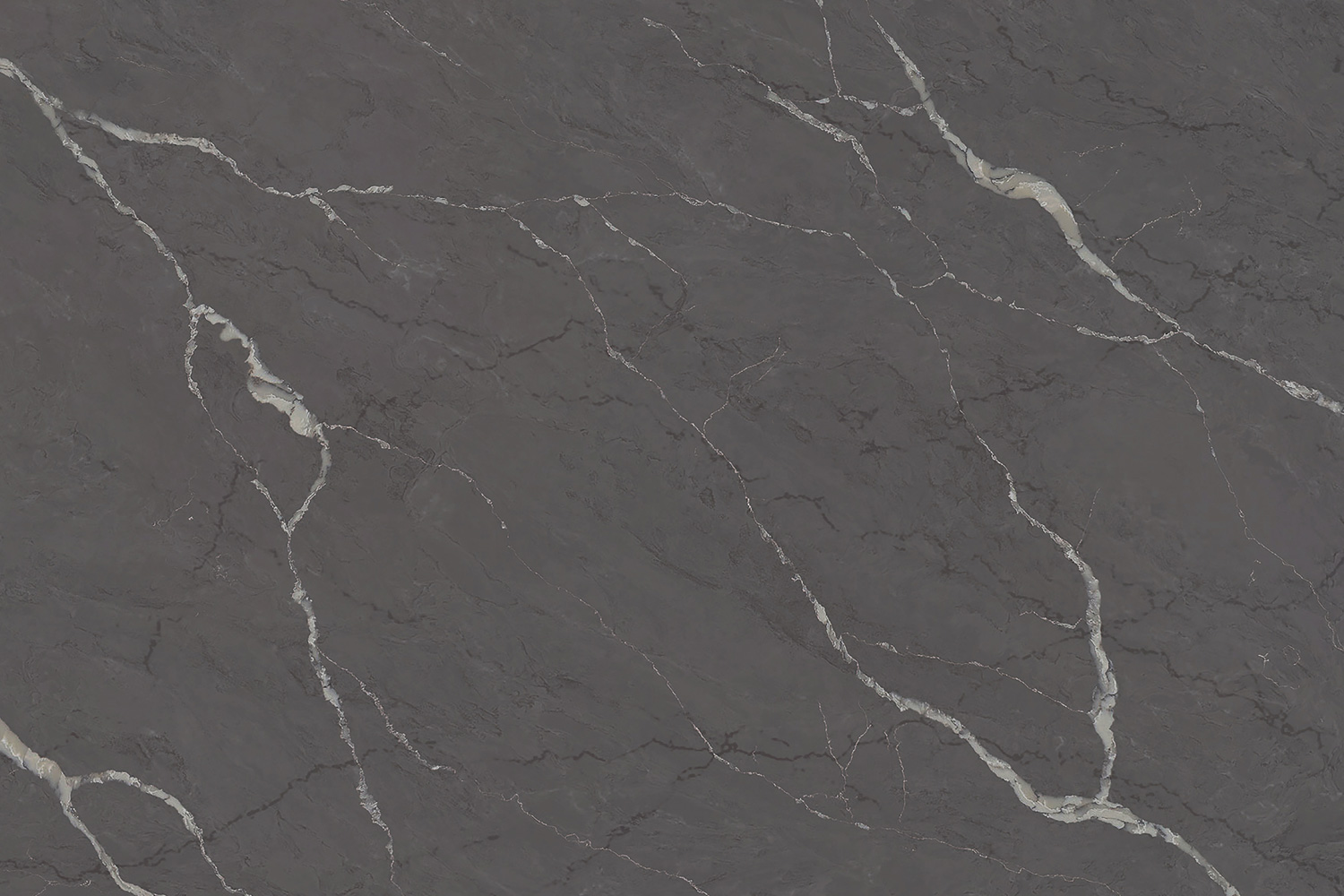
Florentia Product Code: NZ5903
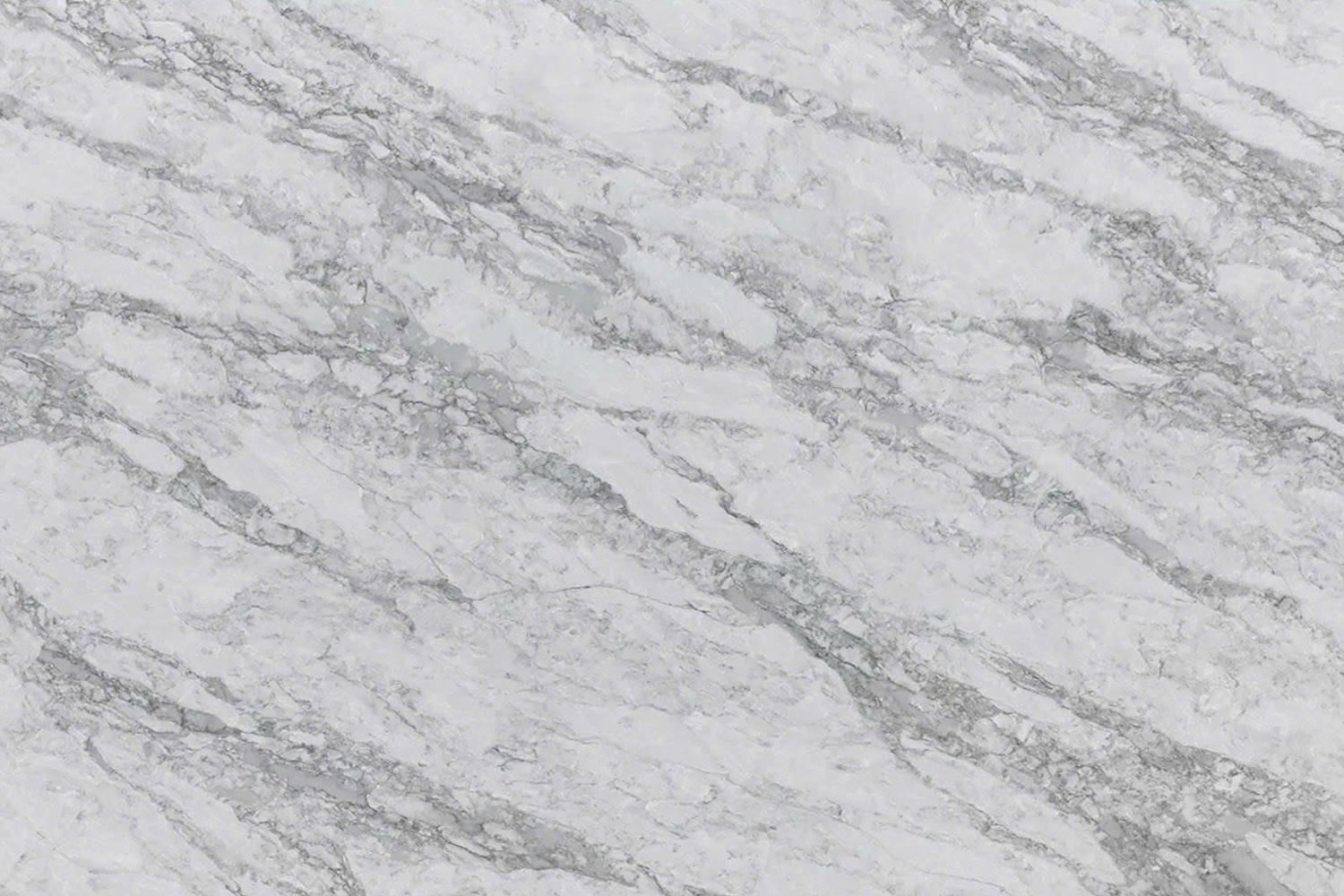
Agusta Product Code: NZ5904
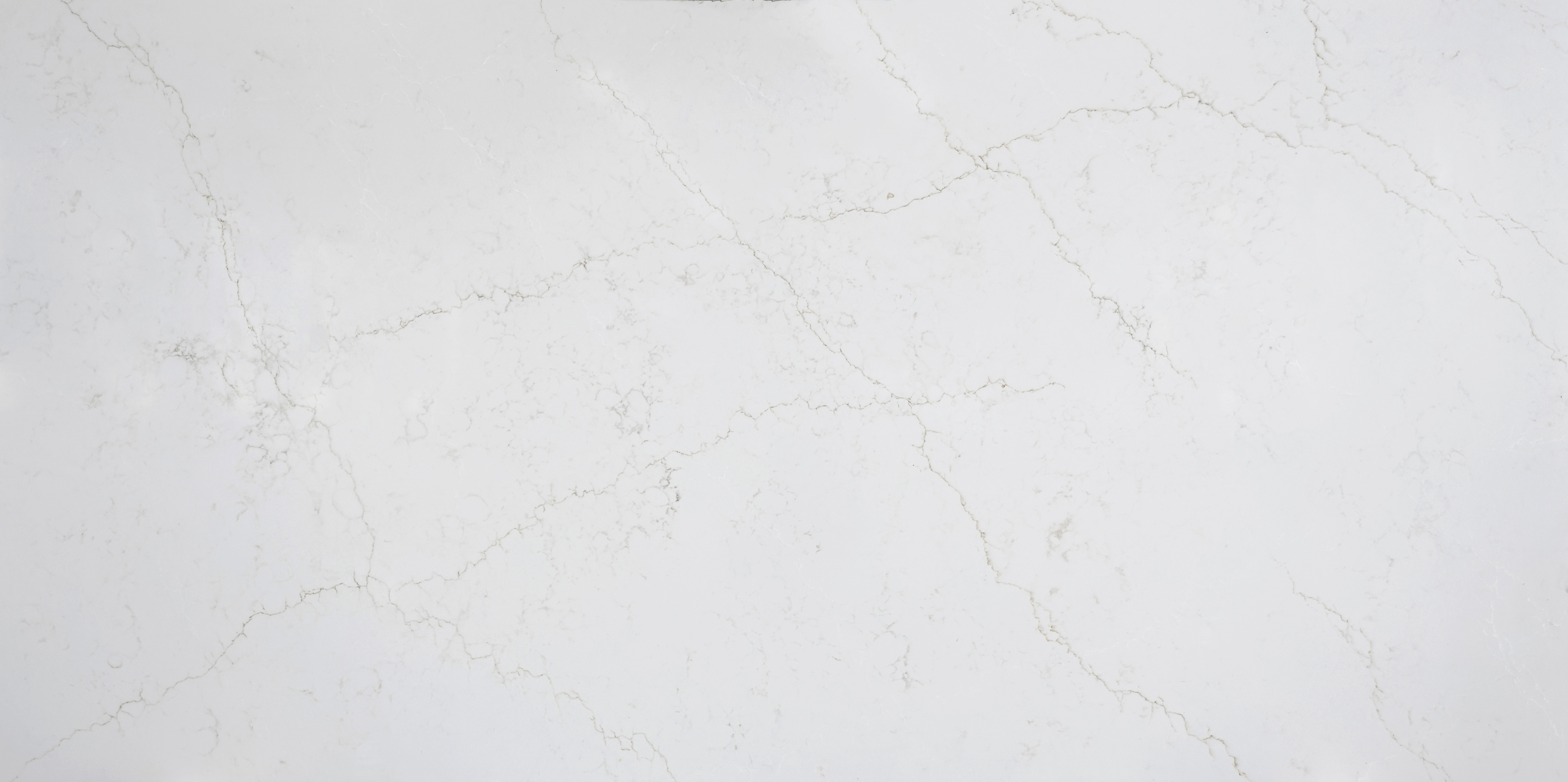
Lusso Gold Product Code: NQ8011
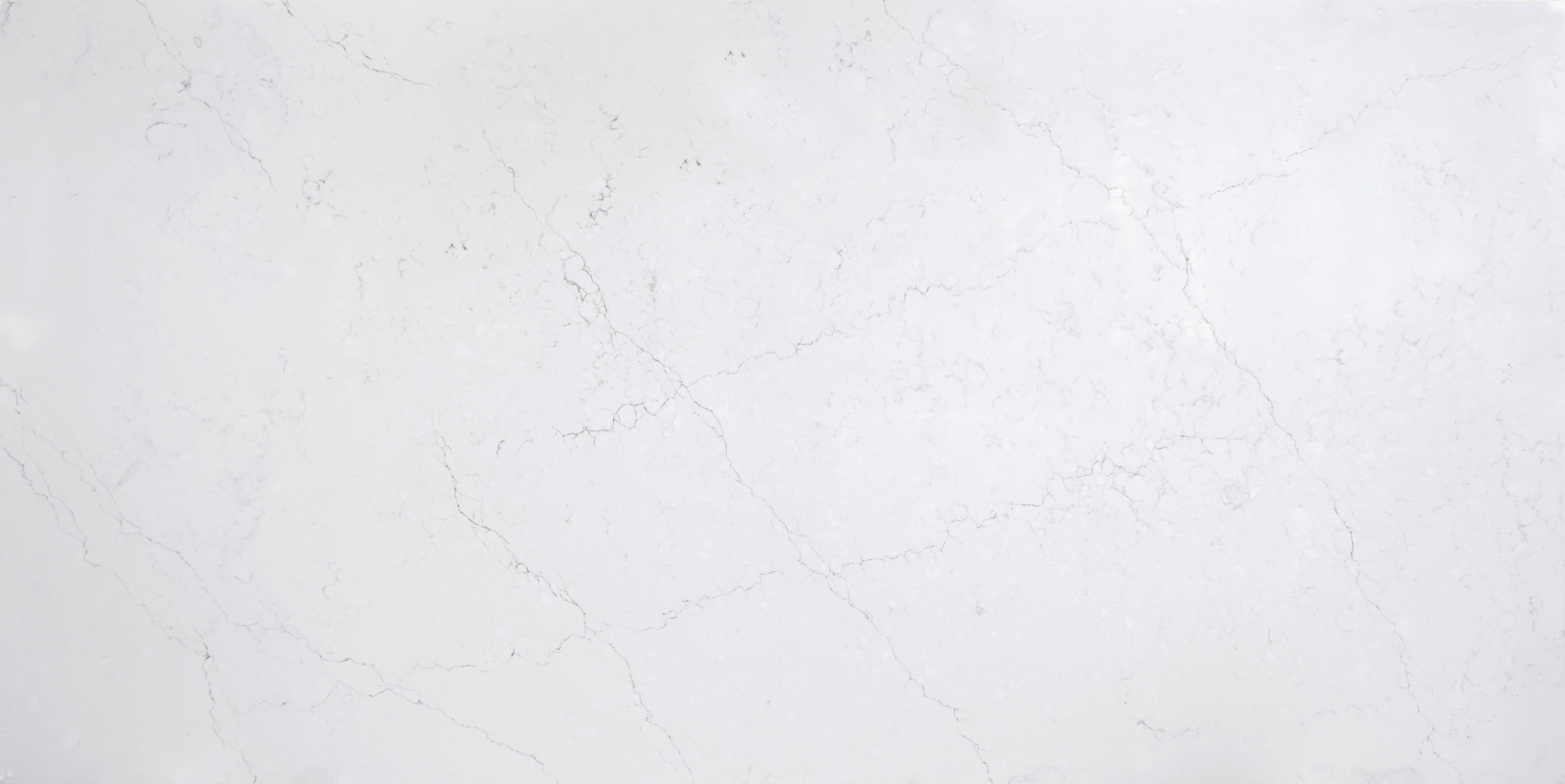
Lusso Classic Product Code: NQ8010
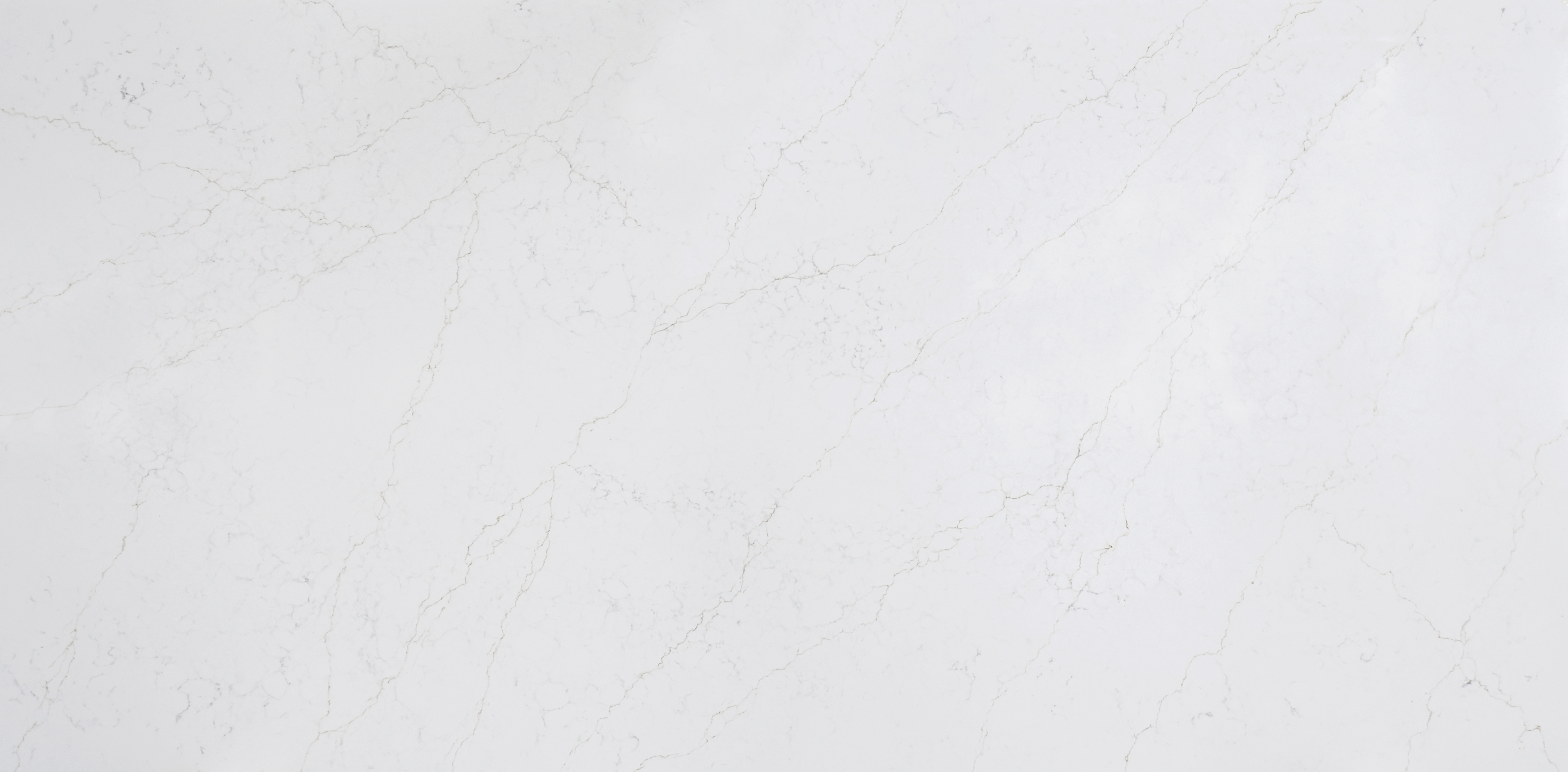
Leonardo Product Code: NQ8012
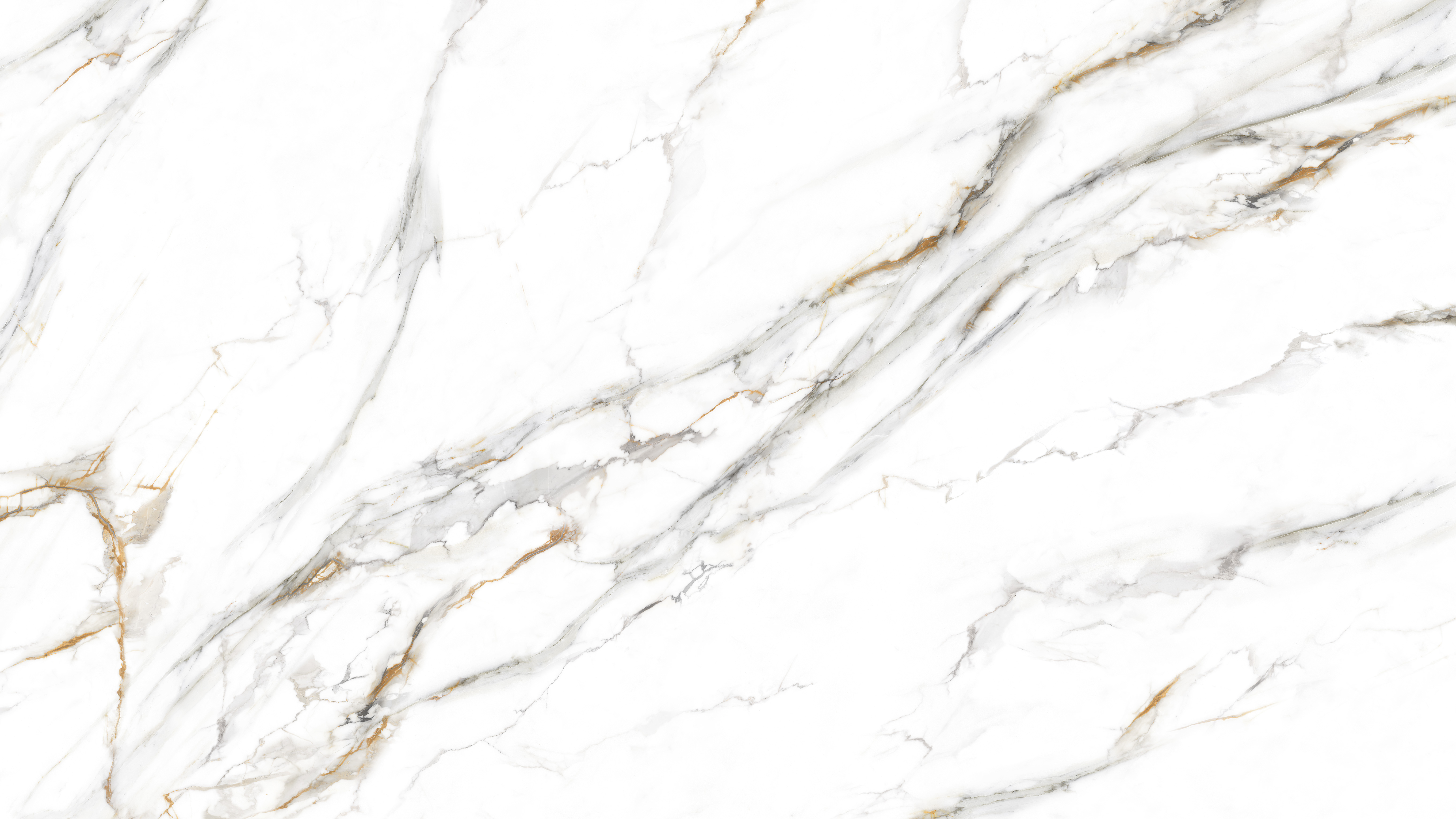
Tuscan Dream Product Code: NP2001
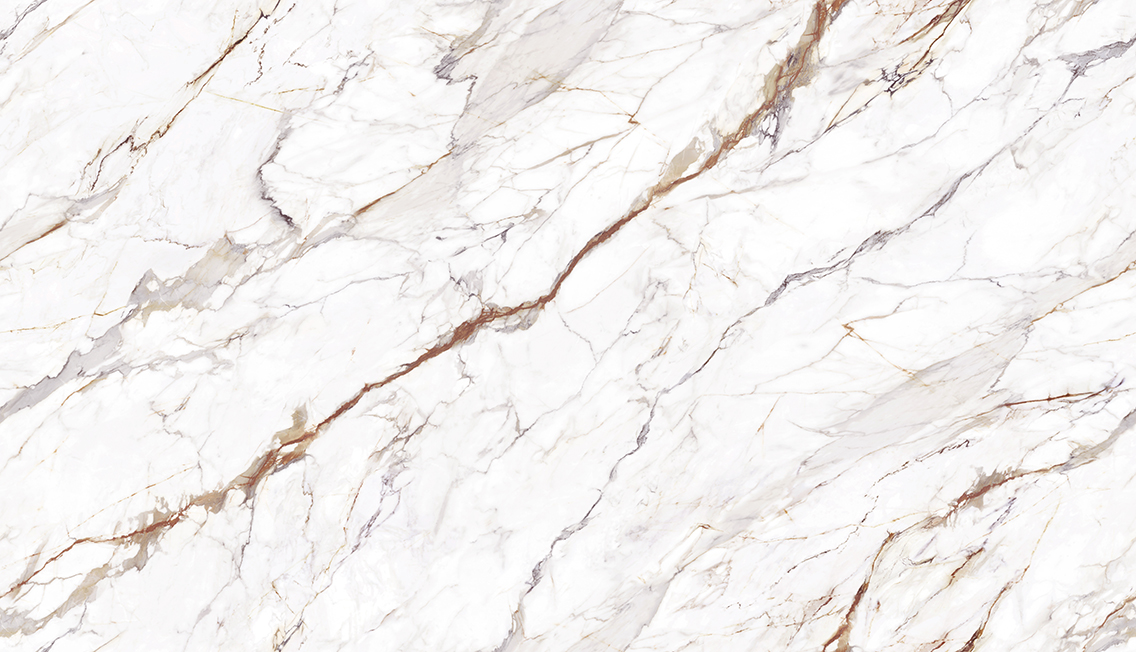
Arabescato Gold Product Code: NP2021
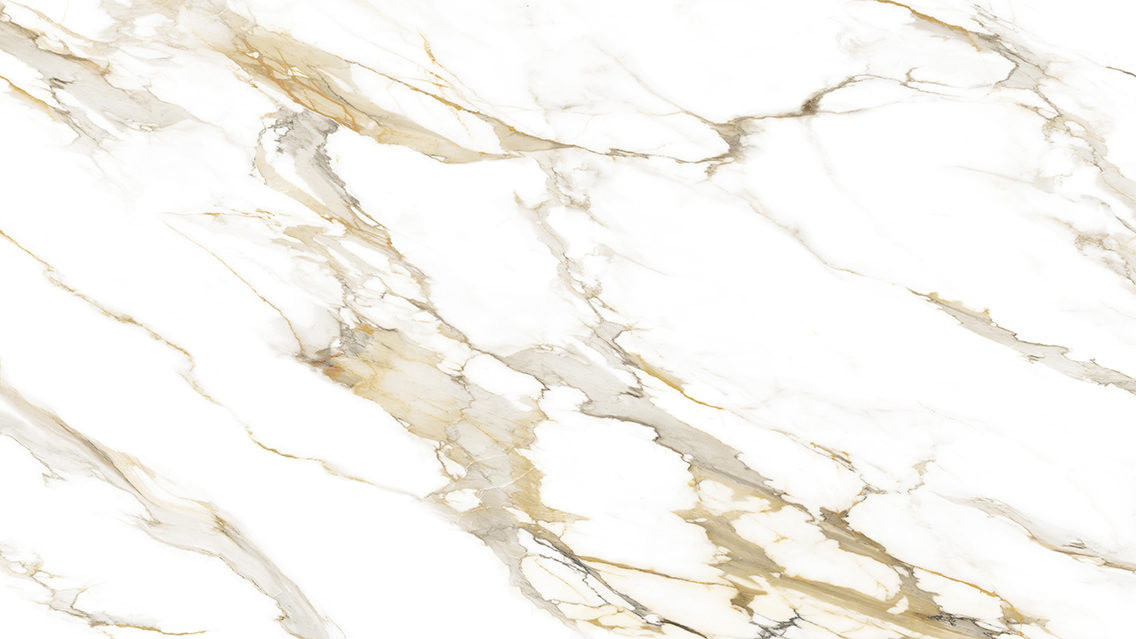
Garnet Product Code: NP2022
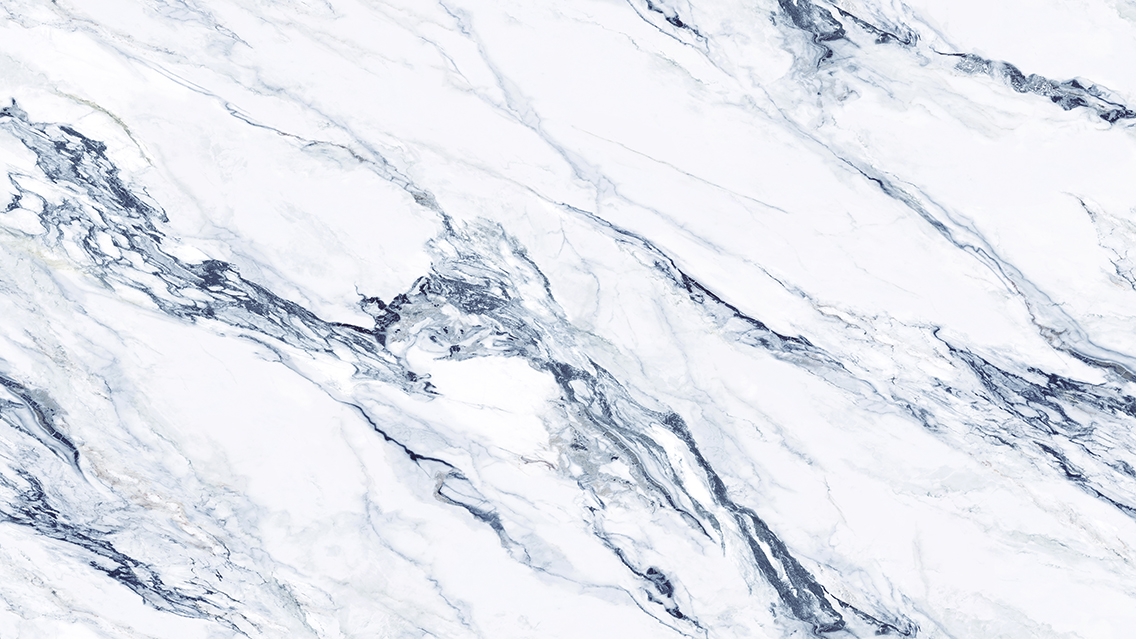
Darmaso Product Code: NP2024

Cristallo Product Code: NP2025

Calestial Product Code: NP2026
Featured Articles

Sign up for product consultation
Please leave your information, we will contact you immediately.